2026-08-29 · 7 min read · Fort Myers Beach
What Should You Check Before Buying a Rebuilt Home on Fort Myers Beach?
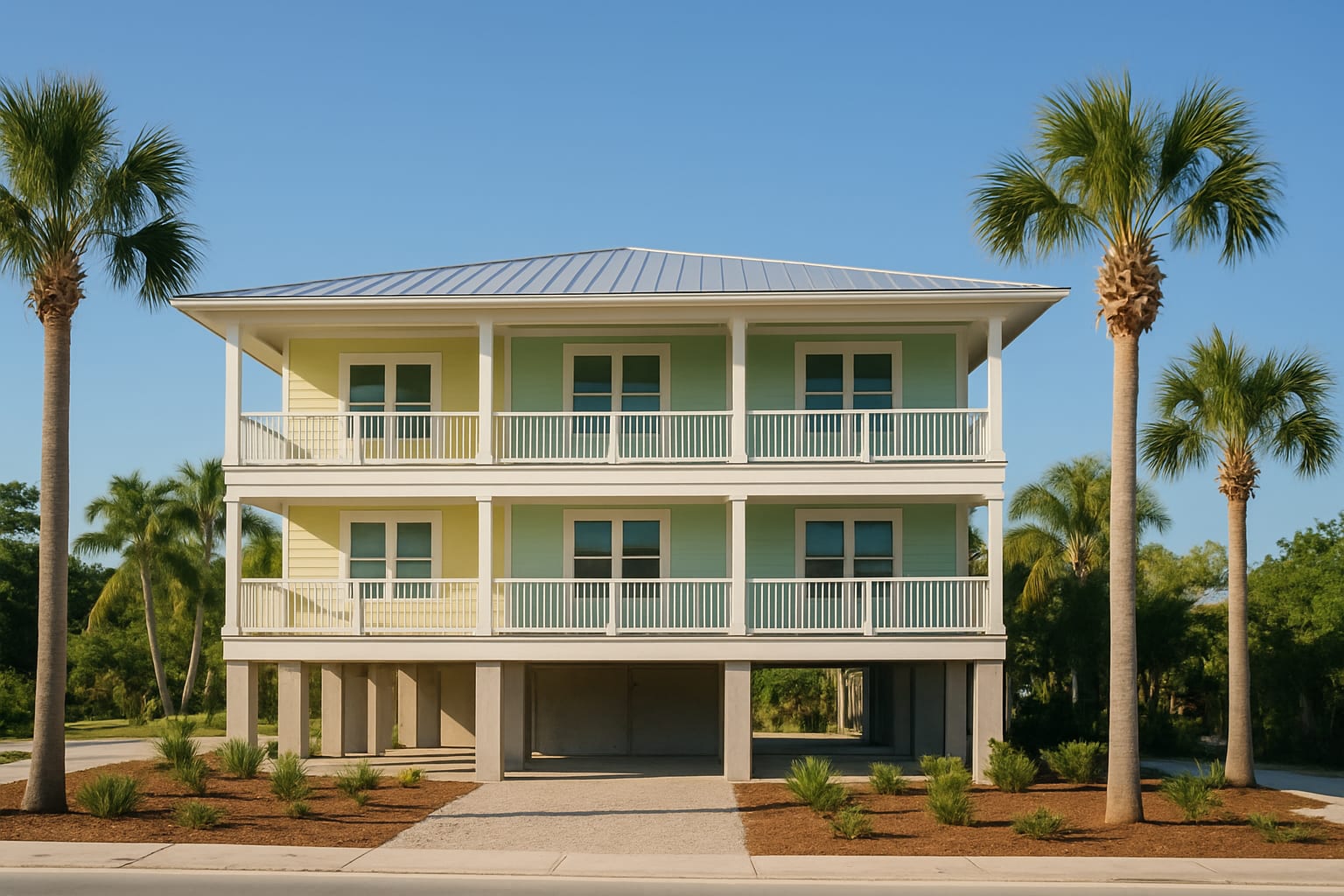
Why does a rebuilt property need different questions?
Because two houses on the same street can look identical and have completely different histories behind the drywall.
Fort Myers Beach has rebuilt impressively. There are new homes, new condos, restaurants and hotels back open, and real energy on the north end again. What that recovery hides, from a buyer's point of view, is how much variation sits underneath it. One property was taken back to the studs and rebuilt to current code. Another had a competent repair. A third had work done quickly by whoever was available in a season when everyone was busy, and the paperwork was an afterthought.
All three can present well. Only one of them is straightforward to insure, finance and eventually resell.
I am Kris Asquith, Broker Associate at Premiere Plus Realty, working across nine Southwest Florida markets including Fort Myers Beach. On the island I read the permit history before the finishes.
What paperwork actually tells you something?
Four documents, and they are worth more than any walkthrough.
The permit history. Pull the record for the address rather than accepting a description of the work. Permits show what was declared, what was inspected and what was signed off. Work that was done without a permit is not just a paperwork gap. It can become your obligation to correct, and it can complicate a future sale when the next buyer's lender asks the same question.
The certificate of occupancy, where the work warranted one. A substantial rebuild generally produces one. Its absence on a property described as fully rebuilt is a question worth asking out loud.
The elevation certificate. This drives insurance and it tells you where the finished floor actually sits. If a property was raised as part of the rebuild, the certificate should reflect that. If it was not raised, you want to know that before you are quoted.
The contractor documentation. Who did the work, whether they were licensed for it, and what warranty survives. A licensed contractor with a paper trail is worth a great deal more than a good-looking finish.
How do you tell a full rebuild from a repair?
Ask, then verify, because the words get used loosely.
There is a threshold in the code that matters here. When work on a structure crosses a defined level relative to the value of that structure, the whole building has to be brought up to current standards rather than simply put back the way it was. That includes elevation requirements. It is the difference between a property that now meets today's code and one that was restored to what it was before.
Both can be perfectly good purchases. They are not the same purchase, and they do not carry the same insurance position or the same resale story. A seller may genuinely not know which category their property falls into, particularly if they bought it already repaired.
The permit record settles it. So does the elevation certificate. Neither relies on anybody's memory.
What does the rebuild mean for insurance?
More than most buyers expect, and it cuts both ways.
A property rebuilt to current code, properly elevated and documented, can be in a considerably better insurance position than an older neighbour. New construction, a new roof and a higher finished floor are all things an insurer prices. That is a genuine advantage and it is worth establishing rather than assuming.
The reverse is also true. A property with undocumented work, no current elevation certificate, or a repair that restored rather than upgraded can be harder and more expensive to cover.
Either way, get real quotes on the specific address during your inspection period rather than working from what a neighbour pays or what a listing suggests. Insurance is not a formality on this island. It is a line item large enough to change what you can afford, and it is worth knowing precisely. There is more on how that works across the island's stock on the Fort Myers Beach Gulf access homes page.
Is a condo different from a house here?
Yes, and the questions move from the unit to the building.
In a condominium, most of what was rebuilt is the association's, not yours. What you want to see is what the association did, how it paid for it, and where that leaves the reserves now. A building that funded major work by drawing reserves down to nothing has moved a cost into your ownership rather than removed it.
Ask for the reserve study, the assessment history and the minutes from the period when the work was decided. The minutes in particular are where you find out what the board actually debated, which is usually more informative than the summary anyone gives you.
Then ask what remains outstanding. A building partway through a program of work is not a problem in itself, provided you know about it and it is funded. The Fort Myers Beach beachfront condos page covers reading a building in more detail.
What should you do before you write an offer?
Put the diligence in the right order, which means paperwork before poetry.
Pull the permit history. Get the elevation certificate. Get real insurance quotes on the address. Use an inspector who knows island construction and knows what post-storm work looks like when it was done well and when it was not. If it is a condominium, read the association's finances before you fall for the view.
None of this is a reason to avoid Fort Myers Beach. The island is genuinely coming back, and a well-documented rebuilt property on Estero Island can be an excellent thing to own, often in a stronger structural position than what stood there before. The point is to know which one you are buying.
The inspection stage of the buying process is where most of this belongs, and it is why the inspection period is not a formality. Get in touch or call (239) 300-1427 with an address and its permit history can be reviewed before you commit to anything.