2026-10-07 · 6 min read · Sanibel
How Do Sanibel's Sea Turtle Lighting Rules Affect a Beachfront Home?
Why does Sanibel regulate the lights on beachfront homes?
Because sea turtles nest on Sanibel's beaches, and light is one of the main things that disrupts them. I am Kris Asquith, Broker Associate at Premiere Plus Realty, working across nine Southwest Florida markets including Sanibel. Nesting females come ashore at night and avoid brightly lit stretches of sand. Hatchlings find the water by moving toward the brighter horizon over the Gulf, and artificial light from homes and buildings behind the beach can turn them inland instead.
The City of Sanibel addresses this through its marine turtle protection rules, and for anyone who owns or is buying on the beach they are part of owning the property, not a seasonal courtesy. They fit the island's wider approach to conservation, which shapes much of what buying a home on Sanibel involves.
Do the lighting rules apply all year or only in nesting season?
The City enforces its beachfront lighting ordinances year-round. Nesting season itself is defined in the City's rules as May 1 through October 31, and that is when the most visible activity happens: marked nests on the beach, volunteers walking the shoreline at dawn, and hatchlings emerging later in the summer and into the fall.
For an owner, the practical point is that compliant lighting is a permanent feature of the house, not something you switch on for part of the year. A fixture that lights the beach in January is a fixture that needs changing.
What kind of outdoor lighting is allowed on a Sanibel Gulf-front home?
The principle is that light from the property should not reach the beach. Gulf-front owners are responsible for making sure their artificial lighting does not illuminate it.
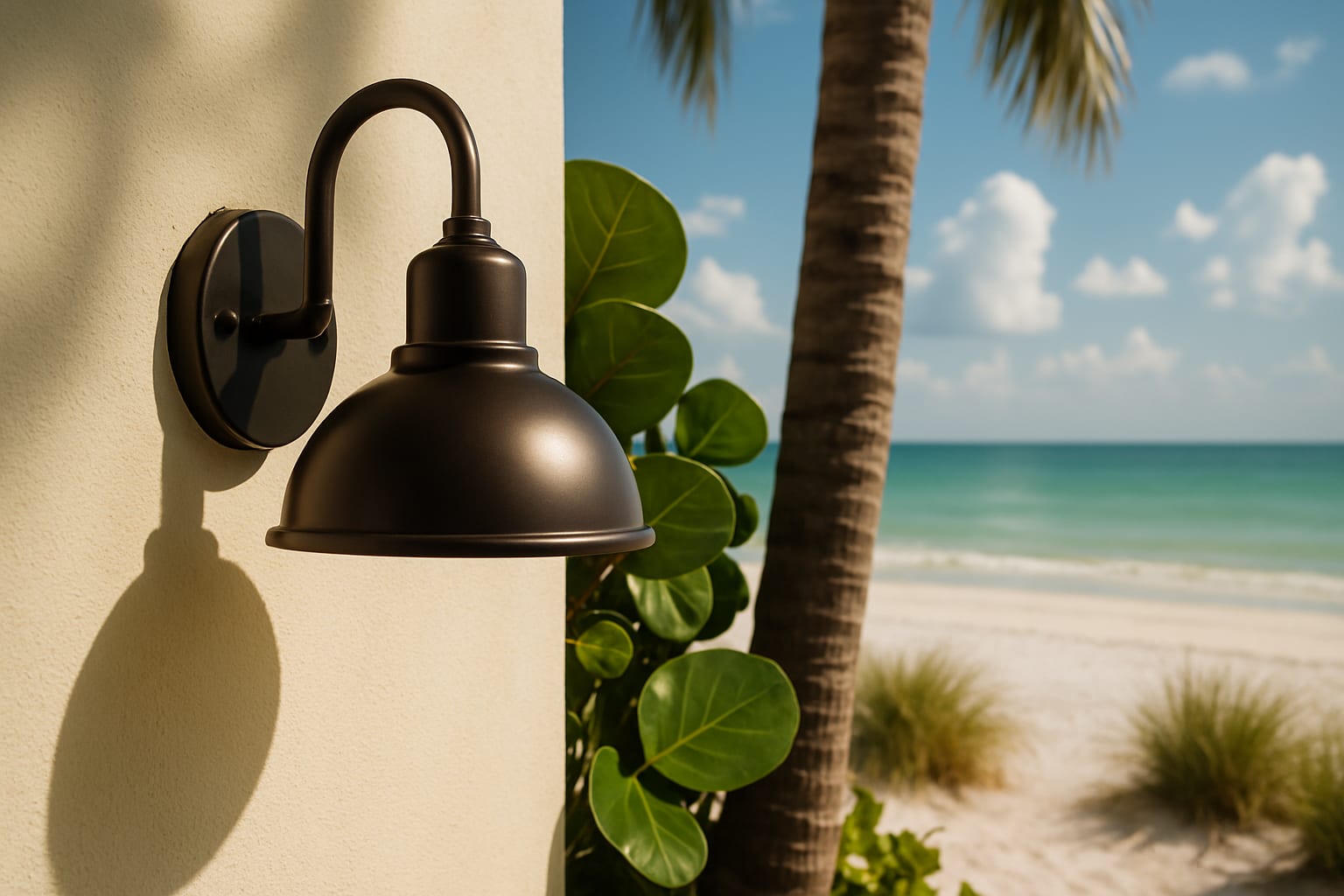
The Florida Fish and Wildlife Conservation Commission sums up turtle-friendly lighting in three words: low, shielded and long. Low means mounted as low as practical and using no more light than the task needs. Shielded means the fixture directs light downward and hides the bulb from view from the beach. Long means long-wavelength light, the amber, orange and red end of the spectrum, which sea turtles are less sensitive to than white or blue light.
Sanibel's own lighting standards for coastal homes follow the same direction: lights must shine down, and fixtures that throw light up or out toward the beach do not comply. Before replacing any exterior fixture on a beachfront home, check the current requirements with the City's Natural Resources Department rather than relying on what a lighting store calls turtle-friendly.
Does light from inside the house count too?
It can. A home with large Gulf-facing windows can light the beach from the living room as easily as from a porch fixture. The simplest measures are the ones the City and conservation groups recommend first: turn off lights that are not needed, and close blinds or drapes at night in rooms that face the beach.
Tinted glass on Gulf-facing windows, doors and glass railings is the more permanent answer. If you are buying a beachfront home with walls of glass, ask whether the windows are tinted and whether the City has ever raised a lighting issue at the address. If you plan to replace windows or doors, build the tint question into the project from the start.
What else do beachfront owners need to know during nesting season?
Two things that guests notice more than owners do. First, beach furniture and equipment. The City asks that chairs, umbrellas and other equipment be removed from the beach when not in use between 9 p.m. and 7 a.m., because items left out overnight can block a nesting turtle or trap hatchlings. Second, holes and sandcastles should be leveled before leaving the beach for the day.
If you rent your home to guests, those rules travel with the house. A short note in the rental information about lights, blinds and beach furniture does more to keep the property compliant than anything you can do from the mainland. The same applies to condominium buildings on the beach, where the association usually manages common-area lighting but owners and guests control the light coming from each unit.
How do the lighting rules affect buying or selling a beachfront home on Sanibel?
For a buyer, they are part of diligence. Walk the property at night as well as in daylight if you can, and look at it from the beach. Note every exterior fixture, whether it is shielded and what color of light it produces, and how much the interior glows through the windows. Ask the seller whether the home has received any notice from the City about lighting. Then budget for any fixtures or tint you would need to change. I schedule those checks inside your inspection period, alongside the elevation, seawall and insurance questions that every Sanibel purchase raises.
For a seller, compliant lighting is one less question a buyer has to ask. Shielded, amber exterior fixtures and tinted Gulf-facing glass show that the home has been cared for in the way the island expects. It belongs on the list of details that matter when selling a home on Sanibel.
Beachfront is also a different purchase from bay or canal frontage in other ways. My guide to Gulf-front, bayfront and canal homes on Sanibel explains the difference.
Where can you get help with a specific Sanibel property?
The City of Sanibel's Natural Resources Department is the authority on its lighting rules and can answer questions about a specific address. A lighting contractor familiar with coastal requirements can recommend compliant replacements for fixtures that do not meet them. This article is a general overview, not legal advice about any property.
If you are considering a beachfront home on Sanibel and want to understand what owning it involves, from the lights to the water behind it, get in touch or call (239) 300-1427. I will help you get the right questions answered before you commit.