2026-09-21 · 7 min read · Estero
What Should You Ask About a Builder's Warranty Before Buying New Construction in Estero?
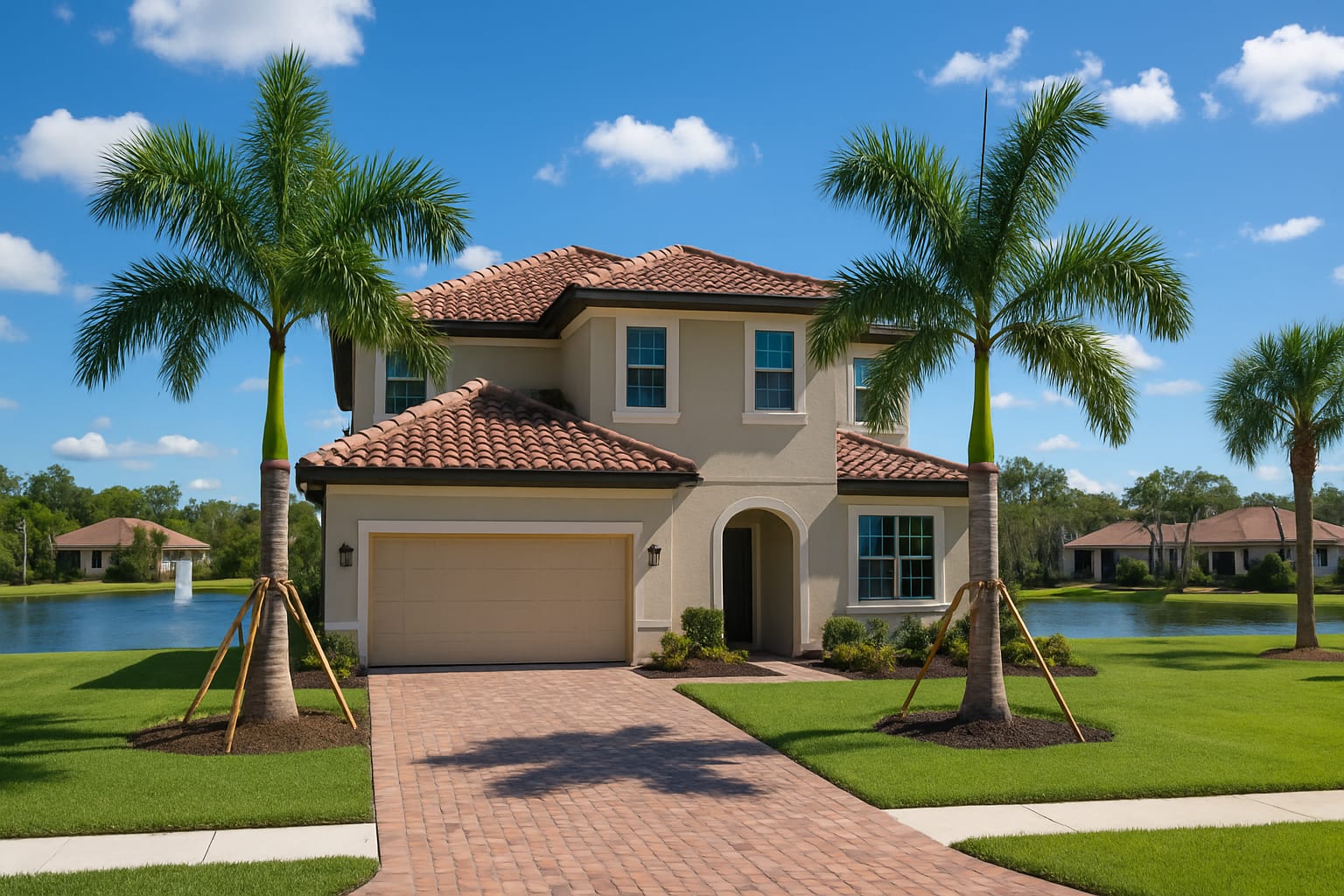
What Should You Ask About a Builder's Warranty Before Buying New Construction in Estero?
Ask what each layer covers and for how long, because a builder's warranty is never one single promise. Estero is built almost entirely on new-construction, master-planned communities rather than a patchwork of older resale neighborhoods, so the warranty conversation comes up on nearly every purchase here, not just occasionally.
I am Kris Asquith, Broker Associate at Premiere Plus Realty, and I walk buyers through builder contracts across Estero's active communities regularly. Here is what the warranty actually breaks down into, and what to confirm before you sign anything.
What Does a Builder's Warranty Usually Cover?
Three separate layers, each with its own scope and its own length, and builders across Estero's new-construction communities generally structure it this way even though the specific terms vary by builder. The first layer covers fit-and-finish and workmanship, the small things a walkthrough is built to catch. The second covers major systems, plumbing, electrical and HVAC. The third and longest covers structural components, the load-bearing parts of the home. None of the three is optional to ask about, and none of them is standardized across builders, so the actual document matters more than what any brochure summarizes.
How Long Does Each Layer of Coverage Typically Last?
Workmanship and fit-and-finish coverage is usually the shortest, often measured in months rather than years. Systems coverage, on plumbing, electrical and HVAC components, typically runs longer than the fit-and-finish period. Structural coverage runs the longest of the three by a wide margin. The specific lengths differ by builder and by contract, so ask for the written warranty document itself rather than accepting a verbal summary from a sales office, and read what triggers each period's start date, since it is not always the closing date.
What Is a Pre-Closing Walkthrough, and Why Does It Matter?
It is your one structured chance to catch and document issues before you own them. A pre-closing walkthrough, sometimes called a builder walkthrough or a homeowner orientation, is scheduled shortly before closing so you can inspect the finished home with a builder representative present and note anything incomplete or damaged. Walk every room, test every fixture, open every cabinet and run every appliance rather than doing a quick visual pass. Anything you miss at the walkthrough is harder to get addressed later, because the punch list created that day becomes the record both sides point back to.
What Happens to Items on the Punch List After You Move In?
The builder is expected to complete them, but get a timeline in writing rather than an informal promise. Ask specifically who to contact if a punch-list item is not finished by an agreed date, and keep your own dated photos and written record of what was noted at the walkthrough. A verbal assurance from a sales representative is not the same as a documented commitment, and the difference matters if an item drags on for months rather than weeks.
Does the Structural Warranty Still Apply If You Sell the Home?
Often, but confirm it rather than assume it, since transferability is set by the specific warranty document and not universal across builders. Some structural warranties transfer to a subsequent owner for the remainder of the coverage period, which can be a genuine selling point when you eventually list the home. Others are written to cover only the original purchaser. Ask the builder directly and get the answer in writing, since this is exactly the kind of detail that gets discovered too late, during a resale rather than during the original purchase.
How Is a Builder's Warranty Different From What a Resale Buyer Gets?
A resale buyer typically has no builder warranty left, or a fraction of one if the structural period has not yet run out, and instead relies on a private inspection and negotiated repairs before closing. A new-construction buyer in Estero's new-construction communities starts with systems nobody has run and a builder on the hook for defects during the coverage window, which is a genuinely different risk profile than buying a home that is already ten or twenty years into its systems' working life. Neither is automatically the better choice. They are different tradeoffs, and the warranty is one of the clearest ways to see the difference on paper.
What Should You Confirm Before You Sign a Builder Contract in Estero?
Four things, gathered before you sign rather than after. The written warranty document itself, not a verbal summary, with each layer's exact length and start date. What is explicitly excluded, since every warranty carries exclusions and they are usually in the fine print rather than the highlights. Whether structural coverage transfers to a future buyer if you sell. And who honors the warranty if the builder is acquired or leaves the market before the coverage period ends, since that has happened to buyers in fast-growing markets before. Bring these questions into the buying process before your deposit becomes non-refundable, not after.
If you are comparing new construction against a resale option in Estero, or want a second read on a specific builder's warranty language before you sign, get in touch or call (239) 300-1427 and I will go through the document with you.