2026-10-19 · 7 min read · Fort Myers Beach
What Can You Use the Ground Floor for Under an Elevated Home on Fort Myers Beach?
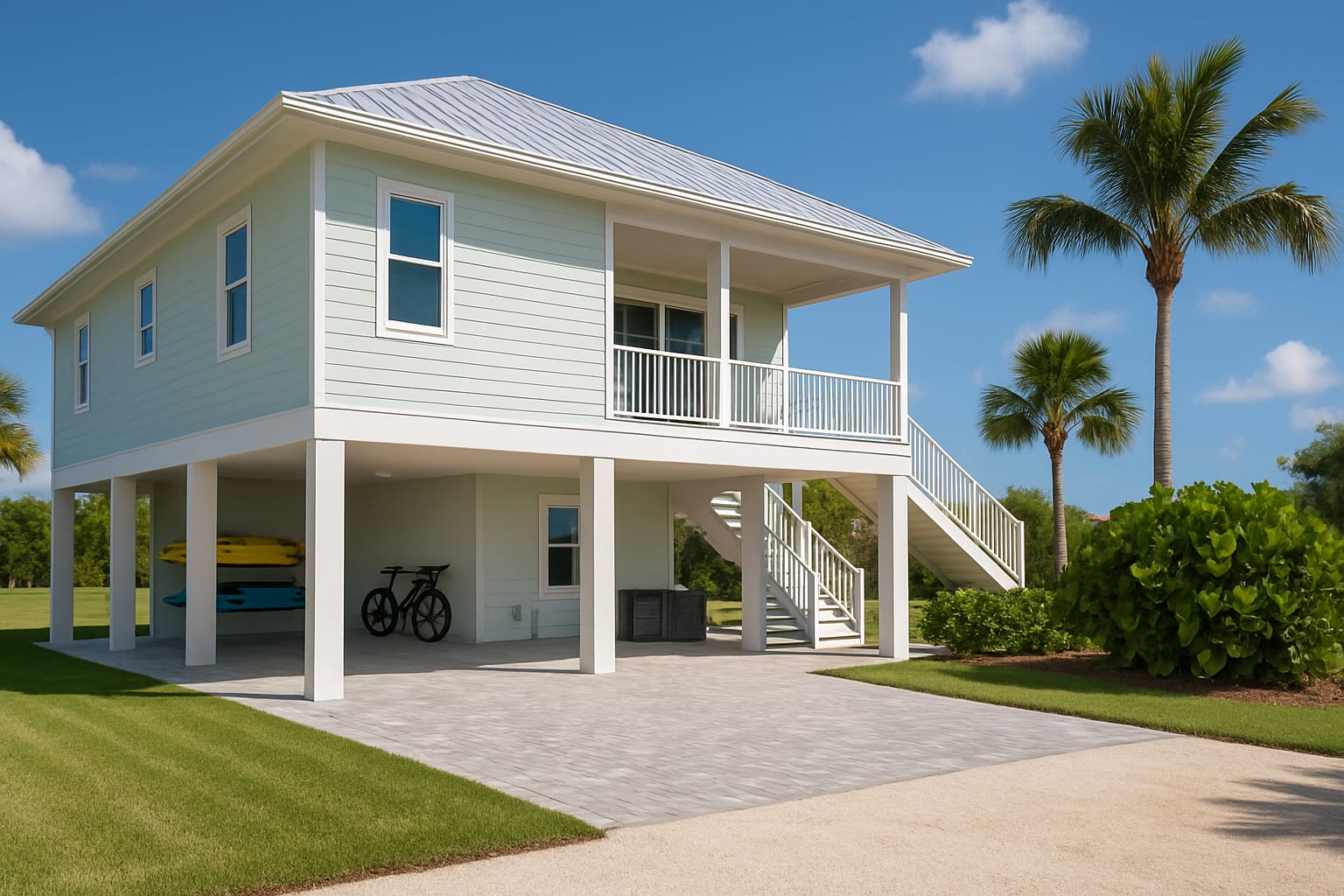
What can you use the ground floor for under an elevated home on Fort Myers Beach?
Parking, getting into the house, and storage. When the living space of a home on Fort Myers Beach is raised above the flood elevation, any enclosed area below that level is limited by federal flood rules and the Town's own floodplain code to those three uses. It is not a place for a bedroom, a game room, a bathroom or an office, however finished it looks in a listing photograph.
I am Kris Asquith, Broker Associate at Premiere Plus Realty, and I help buyers and sellers on Fort Myers Beach and eight other Southwest Florida markets. Since Hurricane Ian, more and more homes on the island sit up on pilings or raised foundations, and the space underneath is one of the first things buyers ask me about. This is what I tell them.
Why is the space below the flood elevation restricted?
Because it is designed to flood. On a barrier island, storm surge does not ask permission. An elevated home is built so the water can move under the living space and leave again, and everything below the flood elevation is treated as the part of the building that will get wet. Keeping people, finishes and expensive equipment out of that zone is what protects the house above it.
The rules come from the National Flood Insurance Program, which the Town of Fort Myers Beach takes part in, and they are written into the Town's floodplain regulations. The flood elevation that applies to a given lot depends on its flood zone on the federal flood map, so the first thing to look up for any home is which zone it sits in. My article on how elevation changes what you pay on Fort Myers Beach explains how the zone and the height of the lowest floor work together.
What is the difference between breakaway walls and flood vents?
It depends on the flood zone, and much of Fort Myers Beach falls into the higher-risk zones. In a coastal zone marked VE on the map, walls enclosing the space below the elevated floor generally have to be breakaway walls, open lattice or screening. Breakaway walls are built to give way under wave action without pulling the house down with them. In zones marked AE, enclosure walls are typically allowed to stay, but they need flood openings, often called flood vents, that let water flow in and out so the pressure on both sides of the wall stays even.
A buyer cannot tell which is which by looking. Ask for the elevation certificate, which records the flood zone, the height of the lowest floor, and details about the enclosure below it, including its flood openings. Then have your inspector confirm that what is built matches what the certificate describes.
What happens if a previous owner finished the downstairs?
This is the question that matters most, because finished ground floors are common in older raised homes and they are easy to miss. Drywall, tile, a bathroom, air conditioning ducts or a kitchenette in an enclosure below the flood elevation can mean the space was converted without approval. That can bring three problems with it.
First, the flood insurance price. The rating looks at how the home is actually built, and a finished enclosure below the flood elevation can raise the premium. Second, coverage. Flood policies limit what they pay for in the area below the lowest elevated floor, so finishes and furniture stored there may not be covered at all. Third, the Town. A conversion done without a permit can become a code enforcement issue, and the Town can require the space to be brought back into compliance, which often means removing the work.
Some Florida communities also have owners sign and record a non-conversion agreement when a home is built with an enclosure below the flood elevation, promising to keep that space for parking, access and storage. Ask whether one is recorded against the home you are buying, because it travels with the property and becomes your promise once you close.
How do you check the ground floor before you buy?
Start with paperwork, then look with your own eyes. Here is the order I use with buyers:
- The elevation certificate. Ask the seller for it early. It shows the flood zone, the lowest floor height and the enclosure details.
- The permit record. The Town of Fort Myers Beach holds permits for the island. Look for permits for anything finished below the living floor, and for the home's elevation or rebuild after Hurricane Ian.
- The inspection. Ask your inspector to look specifically at the enclosure: wall type, flood openings, electrical outlets, and any plumbing or ductwork that should not be there.
- The flood insurance quote. Get it during your inspection period with the elevation certificate in hand, so the quote reflects the house as it really is.
Florida's newer flood disclosure law also requires sellers to tell buyers certain things about past flooding and flood claims. My article on what the flood disclosure law means on Fort Myers Beach covers what the form asks, and my guide to checking a rebuilt home on Fort Myers Beach goes through the rest of a post-Ian inspection.
What about elevators, stairs and equipment under the house?
Stairs, a stairwell enclosure and an elevator are all part of getting into the house, so they belong down there. What changes is how they are built. Elevator equipment, electrical panels, air conditioning units and water heaters are expected to sit at or above the flood elevation, or to be built to resist flood damage where they cannot be raised. On many elevated homes you will see the air conditioning condensers on a raised platform for exactly this reason.
If the home has an elevator, ask for its service records and when the equipment was last inspected, and confirm with your inspector that the machinery is protected the way it should be. Salt air and storm water are hard on anything mechanical, and an elevator that needed work after Ian should have the paperwork to show it.
Is buying an elevated home on Fort Myers Beach worth it?
For many buyers on the island, yes. A home built or raised to the current flood elevation was designed for the place it sits, and that design is why the ground floor has rules. The space under the house still has real value: shaded parking, room for bikes, kayaks and fishing gear, and a dry place to rinse off after the beach. It is simply not extra living space, and a buyer who knows that before writing an offer is never disappointed by it.
If you are weighing a raised older home against something newer, my article on new construction or resale on Fort Myers Beach compares the two, and my Fort Myers Beach new construction page shows what is being built now.
Where should you start?
With the address. Once you know which homes interest you, I can pull the elevation certificate and permit history, and we can look at the ground floor together before you commit to anything. My step-by-step buying process shows where each of these checks falls once you are under contract. Get in touch or call (239) 300-1427 to talk through a home you are considering.
This article is a general overview and is not legal, insurance or engineering advice about any particular property. Confirm the specifics with the Town of Fort Myers Beach, your home inspector, your insurance agent and, where needed, a licensed engineer or surveyor.
Frequently Asked Questions
Can I put a bedroom under my elevated home on Fort Myers Beach?
No. An enclosed area below the flood elevation is limited to parking, building access and storage under federal flood rules and the Town of Fort Myers Beach's floodplain code. A bedroom, bathroom or other living space there is not allowed, and an unapproved conversion can raise flood insurance costs and become a code enforcement issue.
What are breakaway walls?
Breakaway walls are walls enclosing the space under an elevated home that are designed to give way under storm waves without damaging the house above. They are generally required in coastal VE flood zones. In AE zones, enclosure walls typically stay in place but need flood openings so water can flow through.
Does flood insurance cover things stored under an elevated home?
Only in a limited way. Flood policies restrict what they pay for in the area below the lowest elevated floor, so finishes, furniture and many stored belongings there may not be covered. Ask your insurance agent exactly what the policy on a specific home would cover.
How do I know if the downstairs of a home was finished legally?
Check the elevation certificate and the Town of Fort Myers Beach permit record, then have your inspector look at the enclosure for drywall, plumbing, ductwork and outlets that do not match the permits. Ask whether a non-conversion agreement is recorded against the property.