2026-11-28 · 8 min read · Fort Myers Beach
How Do You Sell a Fort Myers Beach Home When You Are Not Living There?
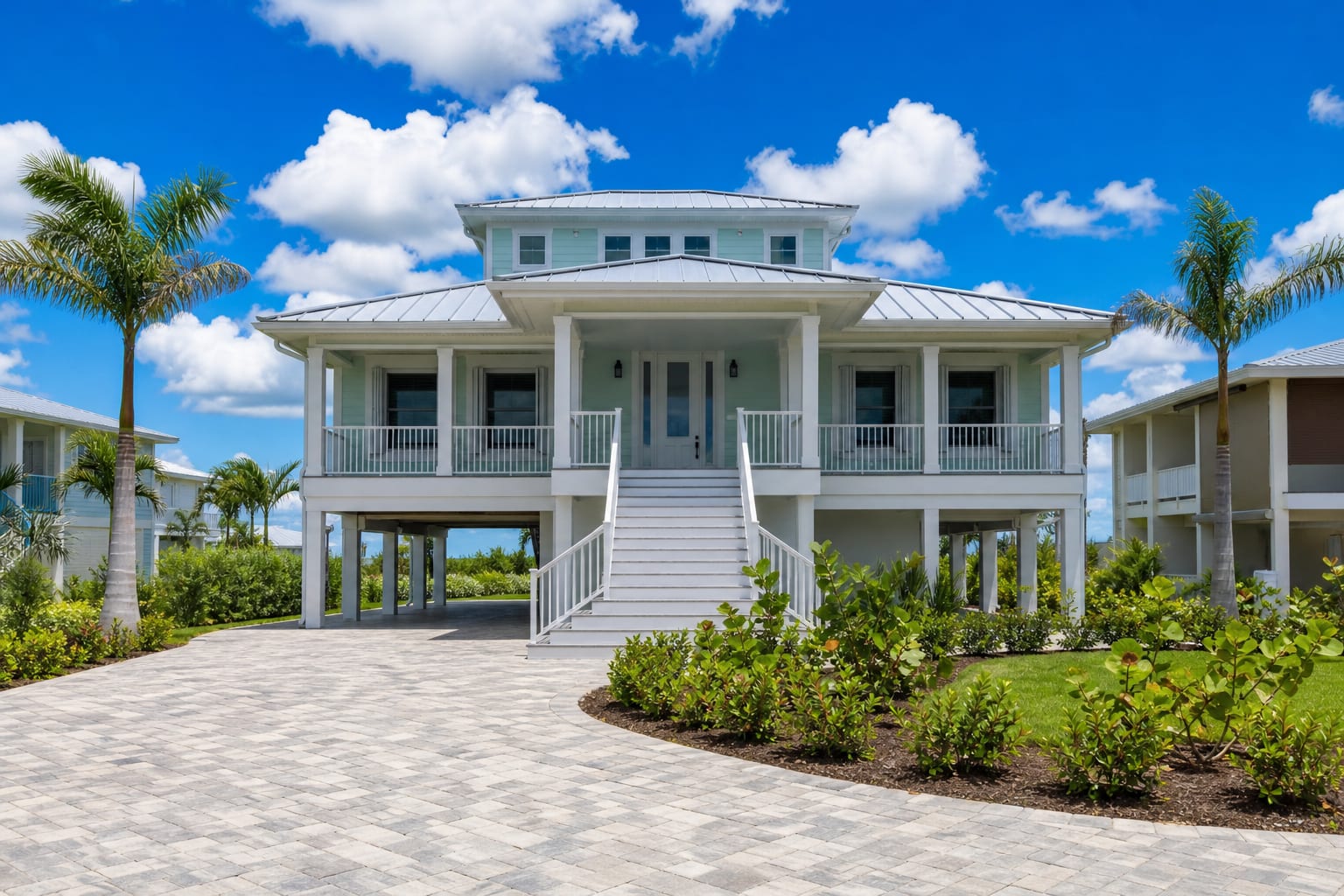
Can you sell a Fort Myers Beach home without being there?
Yes. An island home can be listed, toured, negotiated and closed while its owner is hundreds of miles away. What makes it work is lining up four pieces before the listing goes live: a local person who checks the house, a way for buyers' agents to get inside, a plan for any guests already booked, and a title company that knows you will be signing from out of state. Plenty of homes and condos on the island belong to owners who are only here for part of the year, so none of this is unusual to the people on the other side of the deal.
I am Kris Asquith, Broker Associate at Premiere Plus Realty, and I help sellers on Fort Myers Beach and in eight other Southwest Florida markets. The contract is the same contract whether you are on the lanai or in another time zone. The differences are practical ones, and they are what follows.
Who looks after the house while it is on the market?
Pick that person before the photographer comes, because an empty house near salt water changes faster than owners expect. A drip under a sink, a tripped breaker or a lanai screen torn in a squall can sit for weeks if nobody walks through. A sound arrangement usually looks like this:
- Home watch on a set schedule. Someone who opens the doors, runs water at each tap, checks under the sinks and around the air handler, looks for anything the wind has moved, and sends you photographs after each visit.
- The outside kept up. Landscaping on its normal rotation, the driveway and stairs swept of sand, and salt film rinsed off the windows and railings now and then so the home photographs and shows the way it did on listing day.
- Pool and pest service left running, if the home has a pool. A cloudy pool is the first thing a buyer remembers.
Hand your agent a single sheet with every one of those names and phone numbers. Then a problem reported at a showing can be fixed the same week, instead of waiting until you answer. For a condo, put the association manager on that sheet as well, since the building staff and the rules decide much of what can happen in your absence.
Should the air conditioning stay on in an empty home on the island?
Yes. The goal in an empty island home is dry air, not cold air, so set the system to hold humidity down at a moderate temperature and leave it on. A house closed up with the air off soaks up the Gulf's moisture, and the result is a smell at the front door and, given enough time, mold that an inspector will write up. A dehumidifier mode on the thermostat, or a separate unit, is a common addition for homes that sit closed for part of the year.
Whatever you turn off between seasons, turn it back on for the sale. The inspector has to run the plumbing, the electrical and the cooling, the appraiser has to see a working home, and the buyer will check it all again at the final walk-through. If the home has an elevator, keep its service current and leave it running, because buyers ride it on the first tour and inspectors test it. Keep power, water and cooling connected until the deed is recorded.
How do showings work when the seller is out of town?
A keyed lockbox on the door and an online booking system do the work you would otherwise do in person. An agent asks for a time slot, it gets approved, and that agent opens the door, stays with the buyer and locks up on the way out. You decide in advance whether you want to approve each request on your phone or let your listing agent confirm them for you. Before you head north, lock away or take with you the items no visitor should handle: jewelry, firearms, medications, financial papers and anything you could not replace.
If the home is in a condominium building or a gated community, add one more step. Ask the association how it handles buyers and agents for a home on the market, and check its rules on lockboxes and signs before anything goes up. On an elevated home, look at the ground level too. Buyers walk through the space under the house, and boxes, furniture or a finished room down there invite questions. My article on what you can use the ground floor for under an elevated home on Fort Myers Beach explains what flood rules allow in that space and why buyers look closely at it.
What if the home is rented while it is for sale?
Then the sale and the bookings have to be planned together. If the home is rented for short stays, decide with your agent which dates are open for showings, how much notice guests get, and whether a buyer will be asked to honor bookings already made for the coming season. That last point has to be written into the contract, and the guests' deposits have to be accounted for at closing.
A buyer who plans to rent will also ask what the home is allowed to do. Gather your rental registration and state license where one applies, your tax account records and your booking calendar before you list. My article on the paperwork to gather before selling on Fort Myers Beach lists those records along with the permit, elevation and insurance documents buyers on the island ask about first. For a condo, the association's own rental rules matter as much as the Town's, and my guide to what to look for in the condo documents on Fort Myers Beach shows what a buyer will be reading.
What about hurricane season?
The Atlantic season runs from June 1 to November 30, and a listing on a barrier island during those months needs a written storm plan. Name the person who will close the shutters when a storm is forecast, the person who will open them again so showings can resume, and the person who will check the home and send you photographs afterward. Store any removable shutter panels where that person can find them, marked for the opening each one fits, with the fasteners in the same place. Getting onto a barrier island can be restricted for a time after a major storm, so the person you choose should live close enough to go as soon as it reopens.
If you are under contract when a storm comes through, the purchase agreement already has an answer. Florida's common contract forms include a clause on damage to the property before closing, and that clause, not a phone call between the parties, sets out what happens next. Get photographs of the home's condition from your home watch visits, and speak to your agent before you or the buyer promise anything.
Does an empty home change your insurance?
It might. Policies often use the words "vacant" and "unoccupied" with specific meanings, and some reduce or exclude certain coverage once a home has been empty past a stated number of days. Because that language varies, call your insurance agent before you leave, say the home is being listed and will sit empty, and ask what your policy does in that case. Whatever the answer, do not let the homeowners or flood coverage lapse before closing.
Your flood policy can also help the buyer. A policy through the National Flood Insurance Program can usually be assigned to the buyer at closing, so have the declarations page ready for them early in the contract, along with the elevation certificate and a recent wind mitigation report. Buyers on the island shop for insurance in the first days after signing, and the faster they get quotes, the more likely your closing stays on schedule.
What do you still have to disclose if you have not been living there?
The same things any Florida seller does. The duty is to tell a buyer about known facts that materially affect the home's value and that the buyer could not readily see, and it does not shrink because you were away. What shrinks is what you personally saw. Before you sign any disclosure, ask the people who were in the house while you were gone, your home watch provider, your rental manager if you have one, and the pool and air conditioning companies, whether they noticed anything you should know about.
Florida also requires the seller of a home to give the buyer a written flood disclosure at or before the contract is signed. On an island with a storm history, answer it from your claim records, repair invoices and any letters about storm damage rather than from memory. My article on Florida's flood disclosure law on Fort Myers Beach explains what that form asks and what it leaves out.
How do you close on a Fort Myers Beach home from another state?
By letting the title company know, in the first days of the contract, that you will not be at the closing table. There are two usual routes. In a mail-away closing, the seller's package is shipped to you, you sign it before a notary near home, and you send the originals back by overnight courier. With remote online notarization, which Florida law allows and many title companies offer, you sign on a video call with an online notary instead. A third route, a power of attorney that lets someone in Florida sign on your behalf, deserves a conversation with a Florida real estate attorney, and the title company has to agree to accept that document before you rely on it.
Give the title company your travel dates and the account details for your proceeds as early as you can, and confirm wiring instructions by phone with a number you already know, not one sent by email. If you are not a U.S. person for tax purposes, a federal law called FIRPTA can require part of the price to be withheld at closing, so raise that with a CPA or tax adviser before you list.
Where should you start?
With a value and a target date. A Fort Myers Beach home valuation gives you the first, and my page on selling your home on Fort Myers Beach covers how pricing, timing and marketing work on the island. My process page shows the steps I follow on every listing. If you are living somewhere else and weighing a sale, reach out to me or call (239) 300-1427, and we will build the plan around where you are and when.
This article is a general overview and is not tax, insurance or legal advice. Your contract, your insurance policy and your title company's requirements govern your sale, and questions about taxes or signing documents belong with a CPA and a Florida real estate attorney.
Frequently Asked Questions
Do I have to fly back to Fort Myers Beach to close on my home?
Usually not. Most title companies offer a mail-away closing, where you sign the documents in front of a notary where you live and return them, and many also offer remote online notarization, which Florida law permits. Tell the title company early where you will be so the documents can be prepared for the method you choose.
Can I keep renting my Fort Myers Beach home while it is for sale?
Often, yes, but plan the showings around the bookings and decide early whether the buyer will be asked to honor reservations already made. That has to be written into the contract, and guests' deposits are accounted for at closing. Condo owners should also check the association's rental rules.
Should I turn off the air conditioning while my Fort Myers Beach home is listed?
No. Keep it running and set to control humidity. An empty home in this climate without air conditioning can develop moisture and a musty smell that buyers and inspectors notice. Keep the water, power and air conditioning on through closing so the inspection, appraisal and final walk-through can happen.
Does my homeowners insurance change if the house is empty while it is for sale?
It can. Some policies treat a home that is vacant or unoccupied for a long period differently and may limit coverage after a set time. Read your policy and call your insurance agent before you leave to ask what applies, and keep both your homeowners and flood policies in force through closing.