2026-10-22 · 8 min read · Fort Myers Beach
What Should You Check Before Buying a Vacant Lot to Build a Home on Fort Myers Beach?
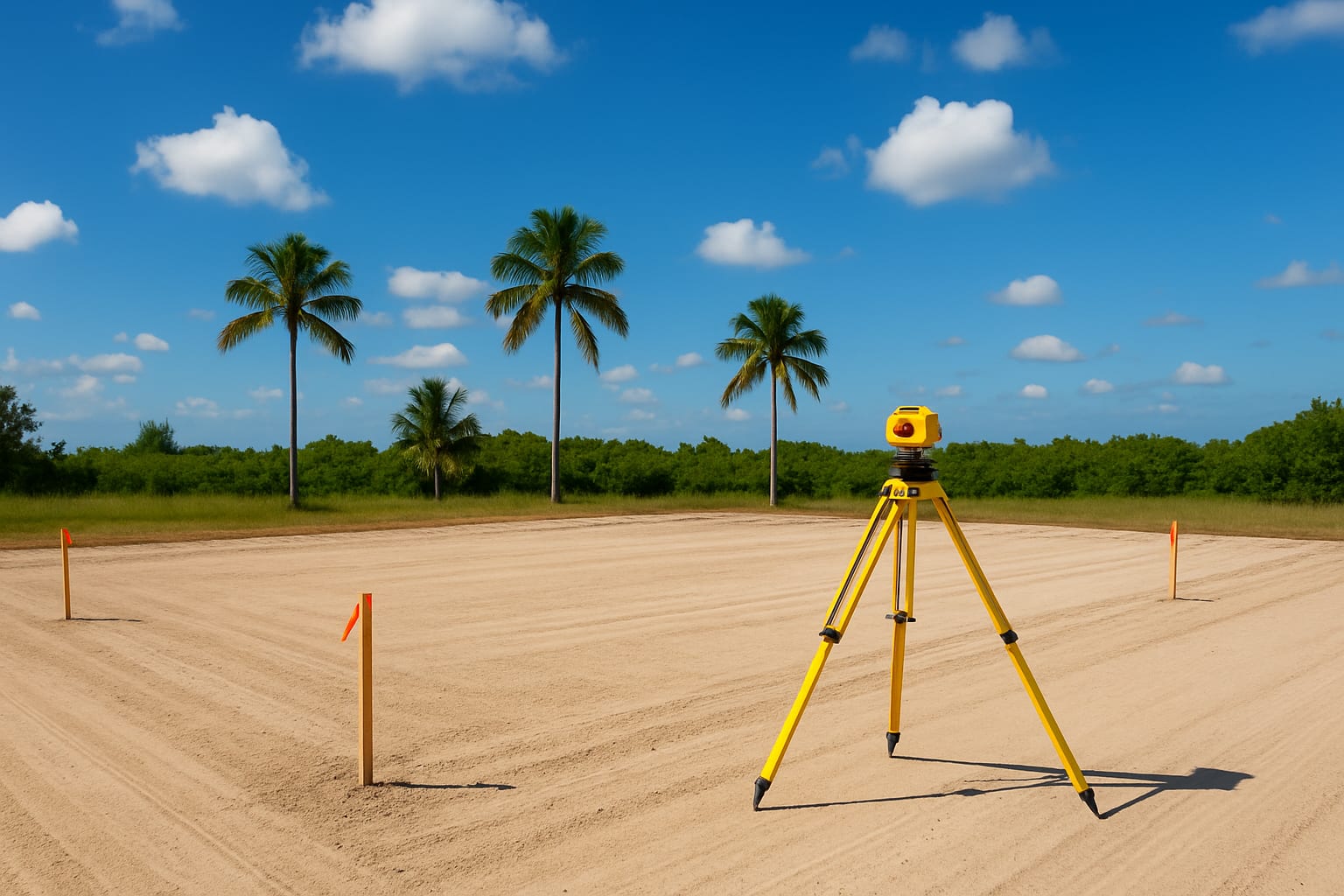
What should you check before buying a vacant lot on Fort Myers Beach?
Check what the lot will actually let you build before you agree on a price. On Fort Myers Beach that comes down to five things: the zoning and setbacks the Town applies to that parcel, the flood zone and the elevation a new home must reach, whether the lot sits seaward of the state's coastal construction line, which utilities are available at the street, and what the title and the ground itself are carrying. A lot that fails one of these can still be a good purchase, but the price should reflect it.
I am Kris Asquith, Broker Associate at Premiere Plus Realty, and I help buyers and sellers on Fort Myers Beach and eight other Southwest Florida markets. Since Hurricane Ian, more vacant lots have come to market on the island, many of them where a home once stood. Buyers ask me about them often, and this is the checklist I walk them through.
Who decides what you can build on the lot?
The Town of Fort Myers Beach. The island is its own incorporated town, with its own land development code and its own building and zoning staff, so the rules for a lot on the island come from the Town rather than from Lee County. That code sets the permitted uses for each zoning district, how far a building must stay from the front, side and rear lines, how tall it can be, and how much of the lot it can cover.
Older platted lots on the island do not always match the size the current code expects. Some are still buildable as existing lots of record, and some come with limits. Do not rely on a listing that says "buildable". Ask the Town's zoning staff to confirm in writing what can be built on that specific parcel, and do it during your inspection period, not after closing.
How does the flood zone change the house you can build?
It sets how high the lowest floor of the new home must sit, and on Fort Myers Beach that height shapes almost everything else. Much of the island falls in the higher-risk VE and AE zones on the federal flood map. A new home there is built up on pilings or a raised foundation, with the living space above the required flood elevation and only parking, access and storage below it.
That is worth thinking through before you buy, because a required elevation, the Town's height limit and the setbacks together decide how much living space a lot can really hold. My article on how elevation changes what you pay on Fort Myers Beach covers how the zone and floor height affect insurance, and my guide to what you can use the ground floor for under an elevated home explains the rules for the space underneath.
One more point about insurance: flood insurance covers buildings and their contents, not land. While the lot is empty there is nothing for a flood policy to cover. Once construction starts, ask your insurance agent about a builder's risk policy, and plan the flood policy for the finished home with the elevation certificate in hand.
What is different about a Gulf-front lot?
Two things. First, a Gulf-front lot on Fort Myers Beach may sit partly or wholly seaward of the Coastal Construction Control Line, a line set by the Florida Department of Environmental Protection. Building seaward of that line needs a state permit in addition to the Town's approvals, and the state can set conditions on where and how the home is built. A survey that shows where the line crosses the lot is one of the first documents to ask for.
Second, the beach comes with its own rules. Homes facing the Gulf on the island fall under sea turtle protection standards for outdoor lighting, which affect the fixtures and windows a new home can use on the beach side. And a Gulf-front lot is sold on the beach and the view, not on boating. There is no navigable water behind it, so there is no dock.
What if you want a dock on a canal or bay lot?
Then the lot needs frontage on a canal or the bay with a route out, and you should look at the water as carefully as the land. Check the condition of any seawall that is already there, because a vacant lot may have lost its home but kept a damaged wall. Ask whether a dock existed before and whether it was permitted, and find out how deep the water is at low tide in front of the lot and along the way out to a pass.
A new dock or seawall needs its own permits, separate from the house. My article on rebuilding a dock or seawall on Fort Myers Beach goes through who approves what.
What could be left in the ground or on the title?
More than a clean lot suggests. Where a home was lost or demolished after Hurricane Ian, check whether the old slab, footings, pilings, septic components or buried debris were fully removed. Anything left behind can add cost when your builder starts work, and a soil or geotechnical report helps your engineer design the new foundation.
On the title side, ask your title agent to look for unpaid code enforcement fines, open permits from the previous home, easements that limit where you can build, and any assessments tied to the parcel. A current boundary survey confirms the lot lines, the easements and, for beachfront land, the coastal line.
Are water, sewer and power at the street?
Ask, and get it confirmed by each provider rather than assumed from the neighbors. Confirm that water, sewer and electric service are available to the lot, whether earlier service lines were capped or removed, and what connection or impact fees apply when you build. These fees are set by the utilities and the local governments, so get them in writing for the specific address, and include them in your building budget from the start.
How is buying land different from buying a home?
The paperwork and the money both work a little differently. Florida Realtors publishes a separate vacant land contract, and the due diligence period in it is where every check in this article belongs. Use that time to get the zoning confirmation, the survey, the title search and the utility answers before your deposit is at risk.
Financing is different too. Many lenders treat a lot loan differently from a home loan, and some buyers pay cash for the land and finance the construction later. Talk with a lender before you write an offer so the terms do not surprise you.
Property taxes change once you build. A vacant lot does not qualify for a homestead exemption, because there is no home on it to live in. Once the new home is finished and it is your permanent residence, you can apply. My guide to the homestead exemption on Fort Myers Beach explains how that works.
Should you buy a lot or a home that is already built?
It depends on how much time and control you want. A lot lets you design a home to the current code from the ground up, and it takes longer: design, engineering, permits and construction all come before you move in. A newer home lets you move in sooner, but someone else made the choices. My article on new construction or resale on Fort Myers Beach compares the two, and my Fort Myers Beach new construction page shows what is being built now.
Where should you start?
With the parcel. Once you have a lot or two in mind, I can pull the property records and help you line up the zoning confirmation, survey and title work inside your due diligence period. My step-by-step buying process shows where each of these checks fits once you are under contract. Get in touch or call (239) 300-1427 to talk through a lot you are considering.
This article is a general overview and is not legal, tax, insurance or engineering advice about any particular property. Confirm the specifics with the Town of Fort Myers Beach, the Florida Department of Environmental Protection, your surveyor, your title agent, your lender and, where needed, a licensed engineer.
Frequently Asked Questions
Who approves building a new home on Fort Myers Beach?
The Town of Fort Myers Beach, which has its own land development code and building and zoning staff. A Gulf-front lot seaward of the Coastal Construction Control Line also needs a permit from the Florida Department of Environmental Protection.
Can I get flood insurance on a vacant lot?
No. Flood insurance covers buildings and their contents, not land. While a home is under construction, ask your insurance agent about builder's risk coverage, and price the flood policy for the finished home using its elevation certificate.
Does a vacant lot on Fort Myers Beach qualify for a homestead exemption?
No. The homestead exemption applies to a home that is your permanent residence. Once your new home is finished and you live there permanently, you can apply with the Lee County Property Appraiser.
What kind of lot on Fort Myers Beach can take a boat?
A lot on a canal or the bay with a navigable route out to the Gulf. A Gulf-front lot faces open beach with no navigable water behind it, so it is bought for the beach and the view rather than for boating. Any new boat structure on a canal or bay lot needs its own permits.
How do I know a lot is buildable?
Ask the Town of Fort Myers Beach zoning staff to confirm in writing what can be built on that specific parcel, and do it during the due diligence period in your vacant land contract. Pair it with a current survey and a title search.