2026-10-16 · 8 min read · Marco Island
How Does Flood Insurance Work When You Buy a Home on Marco Island?
How Does Flood Insurance Work When You Buy a Home on Marco Island?
Flood insurance on Marco Island is a separate policy from your homeowners coverage, and if you finance the purchase in a high-risk flood zone, your lender will require it before closing. What it costs depends on the specific house: its flood zone, how high its lowest floor sits, how far it is from the water and what it would cost to rebuild. Two homes on the same canal can come back with very different quotes, so the time to price it is before you write an offer, not after.
I am Kris Asquith, Broker Associate at Premiere Plus Realty, and I work with buyers and sellers on Marco Island and in eight other Southwest Florida markets. This article walks through how flood coverage works on the island, what moves the price, and the documents I ask for on every Marco Island home before a buyer commits.
Why Isn't Flood Covered by a Regular Homeowners Policy?
Because standard homeowners and wind policies exclude flood. In Florida that distinction matters most during a hurricane: wind damage to the roof is generally a homeowners or wind claim, while storm surge pushing water into the house is a flood claim. A buyer on an island needs to think about both, and they are usually written by different companies on different policies.
Flood coverage comes from two places. The National Flood Insurance Program, run by FEMA, is the long-standing source and what most lenders treat as the baseline. A private flood market has grown alongside it, and private carriers can sometimes offer higher coverage limits or a different price on a well-elevated home. Get a quote from each before assuming either one is the answer, and check with your lender that the policy you choose satisfies your loan program.
What Decides the Flood Insurance Premium on a Marco Island Home?
Since FEMA moved the National Flood Insurance Program to its current pricing method, known as Risk Rating 2.0, premiums are built from features of the individual property rather than from the flood zone alone. Among the things it considers are how far the home is from the water, the kinds of flooding that can reach it, its elevation and what it would cost to rebuild. That is why a neighbor's premium tells you very little about the house you are looking at.
On Marco Island, the questions that move the number most are usually these:
- Where the home faces. A parcel facing the open Gulf is exposed to waves in a storm, and a canal lot is not exposed in the same way. My article on Gulf-front versus Gulf-access homes on Marco Island explains the difference between the two, and it carries straight through to insurance.
- How high the lowest floor sits. A home built or rebuilt to current flood standards, with living space raised above the required elevation, generally prices differently from an older ground-level house.
- The size and construction of the home, which drive what it would cost to rebuild.
- Its claims history, which a buyer should ask about directly.
What Is the Difference Between a V Zone and an A Zone?
FEMA's flood maps divide high-risk areas into zones. A V zone is a coastal high-hazard area where FEMA expects wave action in a storm, and it carries the strictest construction standards. An A zone is still a high-risk flood zone, and a federally backed loan still requires coverage there, but it does not carry the same wave assumption. Property facing open water is more likely to be mapped in a V zone, and lots set back from it more likely in an A zone, but the map for the exact parcel is the only answer that counts.
You can look up the zone for any address on FEMA's Flood Map Service Center, and your insurance agent will confirm it when they quote. Do not rely on a listing description for it.
Do You Need an Elevation Certificate on Marco Island?
Not always to buy a policy, but you will want one. An elevation certificate is a surveyor's record of how high the home's lowest floor sits compared with the flood elevation set for that location. Under Risk Rating 2.0 a policy can be written without one, but submitting a certificate can lower the premium on a home that sits well above the required level. It also tells you something no listing photo can: how the house measures against current flood standards.
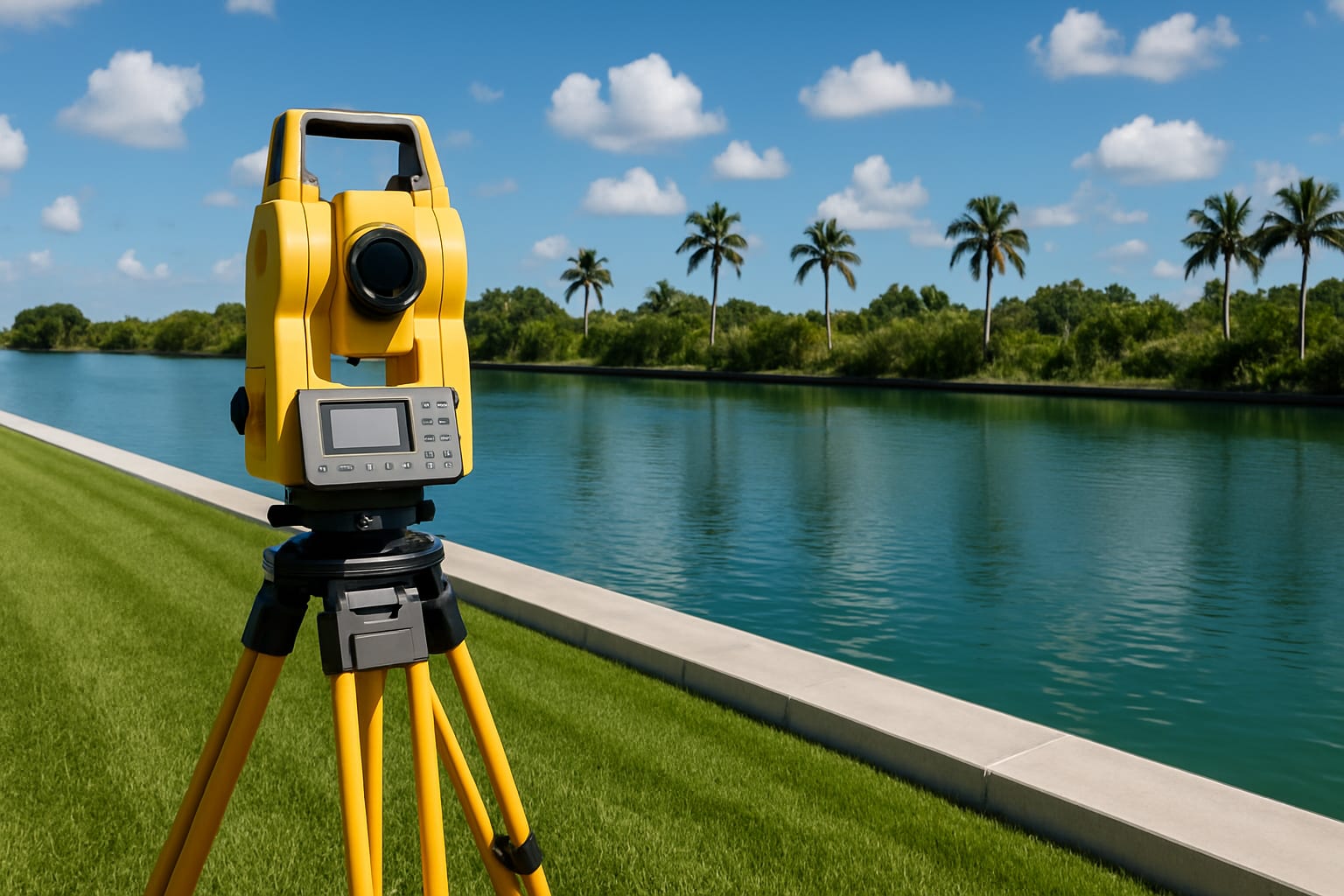
Ask the seller for the existing certificate early. If there is not one, ask whether the City of Marco Island's building department has one on file for the address, and if not, budget for a surveyor during your inspection period. A quote run without the elevation is an estimate, not a number to make a decision on.
Can You Take Over the Seller's Flood Policy?
Often, yes. A National Flood Insurance Program policy can generally be assumed by the buyer when the home is sold, and on some older homes the seller's existing policy is priced more favorably than a brand-new one would be. Ask about it at the start, because an assumption has to be arranged through the purchase rather than after closing.
Timing matters if you are writing a new policy instead. New flood policies generally carry a waiting period before coverage starts, with an exception for a policy bought in connection with making a mortgage loan, which can take effect at closing. Line it up with your lender and your insurance agent well before the closing date so nobody is waiting on a policy in the final week.
How Does Flood Insurance Work for a Marco Island Condo?
In a condominium, the association typically insures the building, including its flood coverage, under a master policy, and the cost is part of what owners pay the association. A unit owner usually buys their own policy for the interior and their belongings. Before you buy, ask the association for its current insurance declarations, including the flood policy, and ask whether any storm repairs or assessments are planned or still being paid off.
If you are still deciding between the two kinds of property, my article on whether to buy a condo or a single-family home on Marco Island covers how ownership, maintenance and costs differ between them.
What Else Should You Ask for Before Going Under Contract?
Flood insurance sits next to several other questions, and they are easier to answer together:
- The seller's flood disclosure. Florida sellers must give buyers a written flood disclosure at or before the contract. My article on Florida's flood disclosure law was written for Fort Myers Beach, and the law is the same on Marco Island.
- Permit history. If the home was repaired after a storm, the City's permit record should show the work and its final inspections.
- The 50% rule. If you plan to renovate an older home, how much work you can do before the whole house must meet current flood standards is a budget question. My guide to renovating under the 50% rule on Marco Island explains where that line sits.
- The seawall. On a canal home, the seawall protects the lot and is the owner's to maintain. My seawall checklist for Marco Island canal homes covers what to inspect.
- Florida's Citizens rule. If your homeowners policy is with Citizens Property Insurance, Florida law now requires Citizens policyholders to carry flood coverage as well, phased in over several years. Ask your agent how it applies to the home you are buying.
How Can I Help You Buy on Marco Island?
On every Marco Island purchase I help buyers gather the elevation certificate, the flood zone, the seller's disclosure and early insurance quotes inside the inspection period, while there is still room to ask questions, negotiate or walk away. If you are comparing a Gulf-access canal home on Marco Island with a condo or a Gulf-front property, we can line the documents up side by side before you tour. Get in touch with me here or call (239) 300-1427.
This article is a general overview of how flood insurance works and is not insurance, legal or lending advice for any particular property. Confirm the details for a specific home with a licensed insurance agent who writes flood coverage in Collier County, your lender and your closing attorney or title company.
Frequently Asked Questions
Is flood insurance required on Marco Island?
If you finance the purchase with a federally backed or federally regulated mortgage and the home is in a high-risk flood zone, your lender will require flood insurance. Cash buyers are not required to carry it, but standard homeowners policies exclude flood, so going without means carrying that risk yourself.
Does a Marco Island home need an elevation certificate to get flood insurance?
Not always. Under FEMA's Risk Rating 2.0, a National Flood Insurance Program policy can be written without one. Submitting a certificate can lower the premium on a home that sits well above the required flood elevation, so it is worth asking the seller for it early.
Can I assume the seller's flood insurance policy on Marco Island?
A National Flood Insurance Program policy can generally be assumed by the buyer when a home is sold. Ask early in the purchase, because the assumption is arranged as part of the transaction, and compare it with a fresh quote and a private flood quote.
Who insures a Marco Island condo building against flood?
The condominium association typically carries flood coverage on the building under a master policy, and owners usually insure their own unit interiors and belongings. Ask the association for its current insurance declarations before you buy.
Who can help me buy a home on Marco Island?
Kris Asquith, Broker Associate at Premiere Plus Realty, works with buyers and sellers on Marco Island and in eight other Southwest Florida markets. Call (239) 300-1427 or use the contact page to talk through the homes on your list.