2026-10-10 · 7 min read · Marco Island
What Should You Check About the Seawall Before Buying a Marco Island Canal Home?
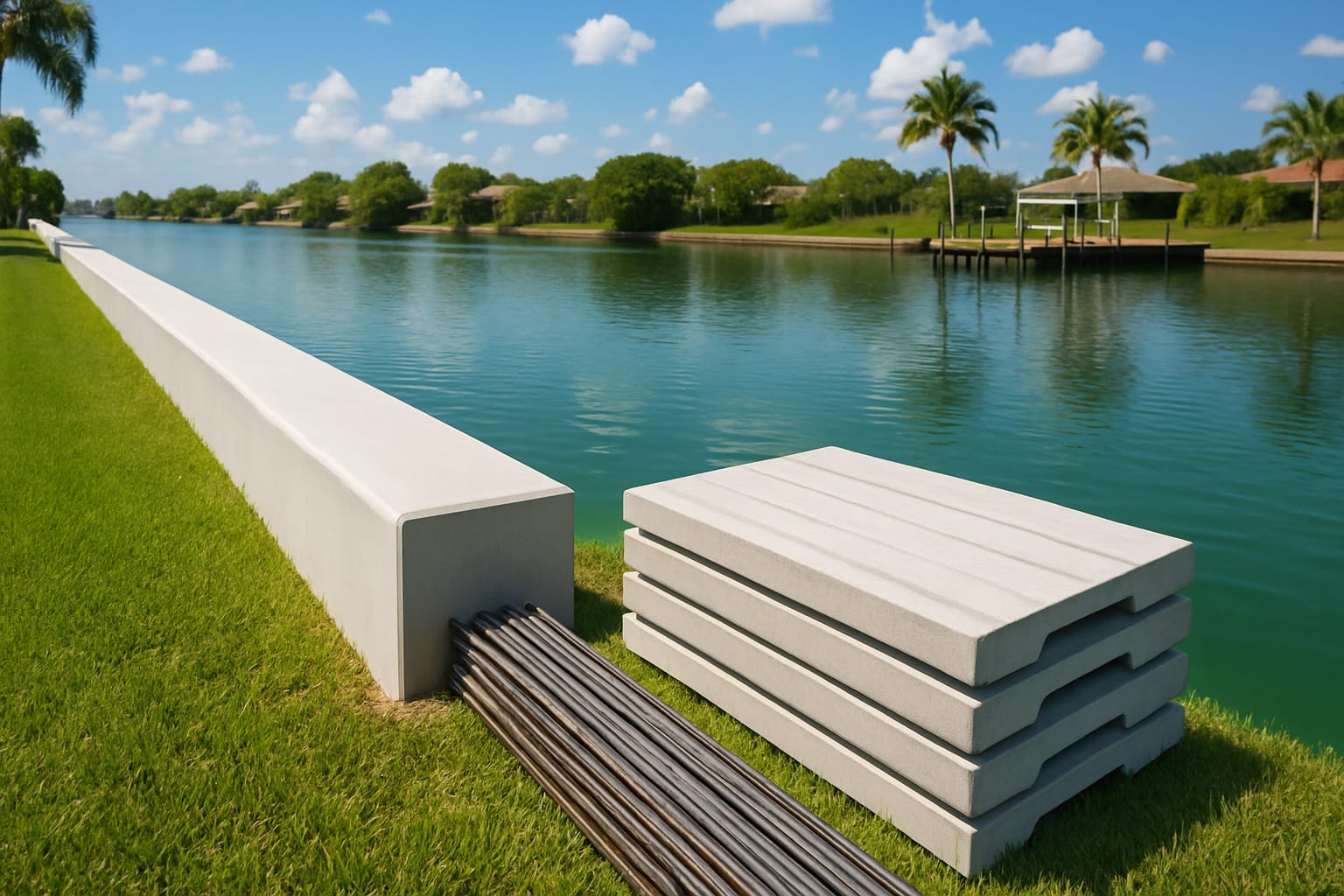
Why does the seawall matter so much when you buy a Marco Island canal home?
Because on a canal lot the seawall is what keeps the yard, the pool deck and the dock where they are, and when you buy the house you take on the wall, its condition and the cost of repairing or replacing it. A home inspection usually does not cover it in any depth, so it needs its own look from someone who builds and repairs seawalls for a living. I am Kris Asquith, Broker Associate at Premiere Plus Realty, working across nine Southwest Florida markets including Marco Island, and the seawall is one of the first things I ask about on any canal home.
Marco Island has a lot of seawall. Much of the island is laced with man-made canals, and the single-family homes along them nearly all sit behind a wall of some kind. Those walls were built at different times by different contractors, and some have been repaired or replaced since. Two houses on the same canal can have walls in very different condition, which is why it pays to look at the one you are actually buying.
What is a seawall actually doing behind the house?
It holds back the soil of your lot so the canal does not take it. The wall faces the water on one side and carries the weight of the yard, and anything built near it, on the other. Tides rise and fall against it every day, saltwater works on the concrete and the steel inside it, and storms push water and debris against it. Over time any wall wears.
Many Marco Island walls are concrete: precast panels set side by side, with a poured concrete cap running along the top that ties them together. Some walls are anchored back into the yard with tie-backs. Others are newer designs in vinyl or composite sheet piling, and some stretches of shoreline use rock. Each has its own ways of wearing out, so the first question for any canal home is simply what kind of wall it has and when it was built or last replaced.
What signs of seawall trouble can you see on a showing?
You cannot judge a wall's structure from the lawn, but you can notice things worth asking about. Walk the full length of the wall and look for:
- Cracks in the cap, especially ones that run all the way through or have been patched more than once.
- Gaps between panels, or panels that have shifted out of line with their neighbours.
- A wall that leans toward the canal rather than standing straight.
- Rust stains or spalling, where concrete has flaked away and steel reinforcement shows or bleeds rust.
- Low spots or holes in the yard close to the wall, which can mean soil is washing out underneath or between the panels.
- Cracked or settling pavers on a pool deck or patio near the water.
None of these alone tells you the wall is failing, and a wall that looks tidy can still have problems below the waterline. What they tell you is where to point the professional who inspects it.
Who should inspect the seawall, and when?
A licensed marine contractor, or a professional engineer with seawall experience, during your inspection period. Ask them to look at the cap, the panels, any visible tie-backs, the soil behind the wall and the condition below the waterline, and to put what they find in writing, including whether they recommend repair, monitoring or replacement.
The dock and the boat lift deserve the same visit. They are attached to or sit beside the wall, they have their own condition and rated capacity, and repairs to one often involve the others. My article on how boat access works on Marco Island covers the route questions, depth and bridges, that sit alongside the dock itself.
I schedule the seawall and dock inspection inside the inspection period in my buying process, alongside the home inspection and insurance quotes. That timing matters: it is the window in which you can still ask questions, negotiate a repair or a credit, or step back under the contract.
What permits should you look up for the seawall and dock?
The City of Marco Island issues building permits for seawall work, and its seawall permit covers construction of a new wall as well as cap-only repairs. Docks, boat lifts and their electrical and plumbing work need permits of their own. So the permit history for the address should show when the wall was built or last replaced, what repairs were done, and when the dock and lift went in.
Ask the seller for whatever records they have, then check the City's permit history for the address and compare it with what you see. A new-looking cap with no permit behind it, or a dock that does not appear in the record, is a question to raise before closing rather than after. Work over or in the water can also involve state and federal agencies, and the contractor who would do any future work can tell you what applies at that address.
If you expect to replace the wall after you buy, know that the City sets rules for how seawall work is carried out, including a permit for staging the work. Under the City's marine staging rules, materials and equipment are staged on the property where the work happens or at a commercial boat yard, not on a neighbouring vacant lot. A marine contractor can walk you through what a replacement on your particular lot would involve.
Does flood insurance pay to repair a seawall?
No, and this surprises many buyers. The National Flood Insurance Program's standard flood policy excludes seawalls, bulkheads, docks and piers. FEMA's own published appeal decisions have upheld that exclusion even where an owner argued the wall was protecting the house. A flood policy is about the building; the wall in front of it is outside that coverage.
Homeowners policies vary. Some treat a seawall or dock as an other structure and cover certain non-flood causes, and many exclude damage from flood and storm surge, which is how most seawall damage on a canal happens. Ask your insurance agent, in writing, exactly what the policy you are buying would and would not do for the wall, the dock and the lift. For the broader insurance and elevation picture on an older home, my article on renovating an older Marco Island home and the 50% rule is a good companion read.
The practical takeaway: on a canal home, the seawall is a cost you plan for yourself. Its age and condition belong in the price you are willing to pay, not only in the inspection report.
How does the seawall change the decision between a canal home and a condo?
It is one of the clearest differences. With a single-family canal home, the wall, the dock and the lift are yours alone: you choose the contractor and the timing, and you carry the full cost. In a condominium on the water, any seawall or shared dockage is normally a common element handled by the association, with the cost spread across owners through the budget, reserves or an assessment.
Neither is better in general, but buyers should know which arrangement they are choosing. My article on whether to buy a condo or a single-family home on Marco Island sets the two side by side. If the boat behind the house is the point, the Gulf access homes on Marco Island page is the place to start, and my guide to Gulf-front versus Gulf-access homes on Marco Island explains why a beachfront home has no dock to begin with.
What if you are selling a Marco Island canal home?
Gather the seawall and dock records before you list. Permits, contractor invoices, any engineering report and the dates of past repairs answer a buyer's first questions on the first visit, and a buyer who can see the wall's history is less likely to price in a worst case. If you know of a problem, talk to me about how to disclose it and whether to repair it before listing. That conversation belongs early in any plan for selling a home on Marco Island.
This article is a general overview and is not engineering, insurance or legal advice about any specific property. The City of Marco Island's building services department is the authority on permits for an address, and a licensed marine contractor or engineer is the right person to judge a particular wall. If you are looking at canal homes on Marco Island and want help getting the seawall, dock and permit questions answered before you commit, get in touch or call (239) 300-1427.