2026-10-05 · 7 min read · Naples
What Is the Coastal Construction Control Line, and How Does It Affect a Gulf-Front Home in Naples?
What is the Coastal Construction Control Line in Naples?
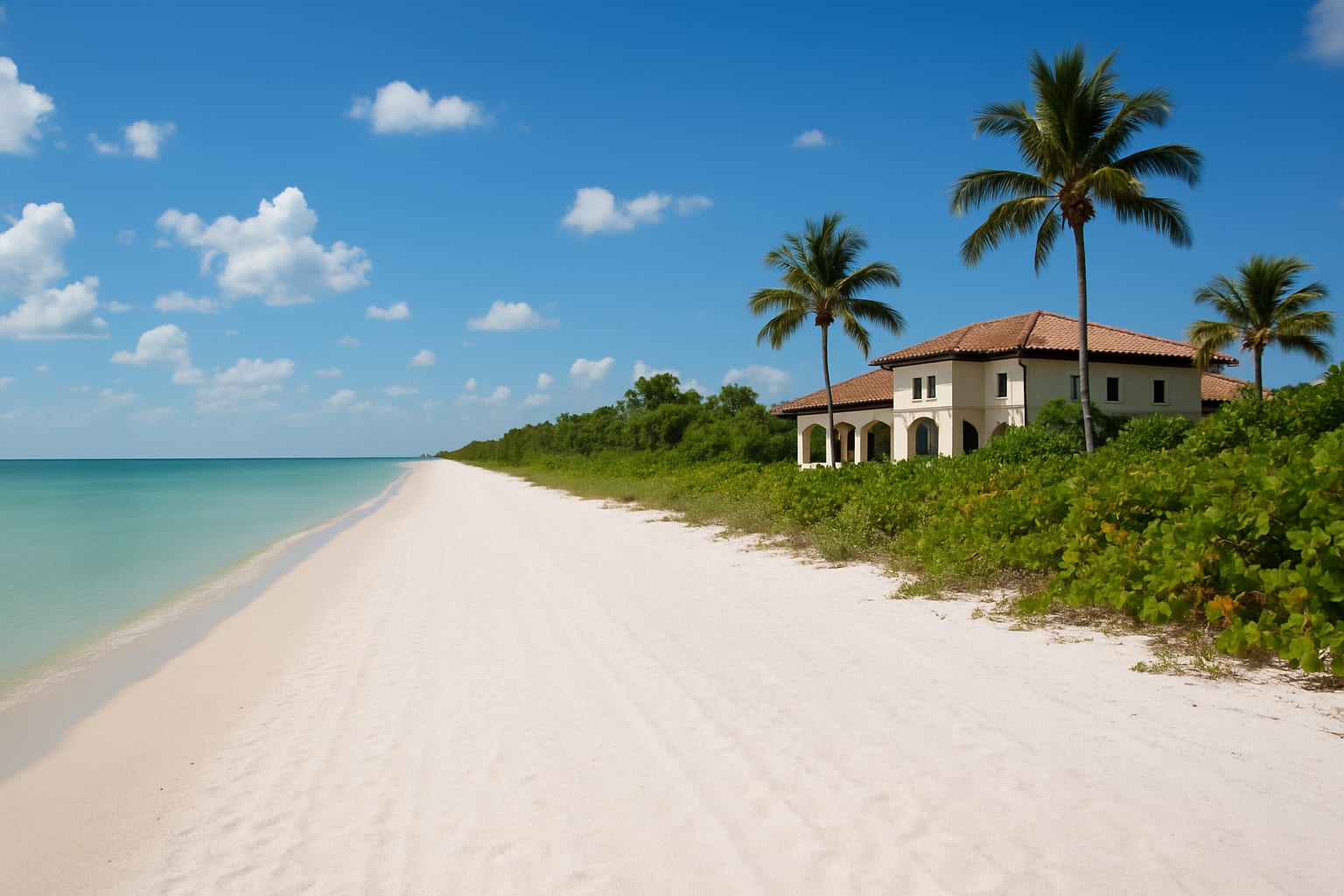
It is a line the State of Florida has drawn along its sandy Gulf and Atlantic beaches, and in Collier County it runs along the beachfront in Naples. I am Kris Asquith, Broker Associate at Premiere Plus Realty, working across nine Southwest Florida markets including Naples. The Coastal Construction Control Line, usually shortened to CCCL, is set under Florida Statute 161.053. It marks the part of the beach and the land behind it that the state expects a severe storm, of the size engineers call a 100-year storm, to reshape.
Seaward of that line, most construction and excavation needs a permit from the Florida Department of Environmental Protection, in addition to the ordinary building permit from the City of Naples or Collier County. Landward of it, the state program does not apply. For a buyer, the line matters because it often runs across private Gulf-front lots, sometimes through the yard and sometimes through the house itself.
Why does the line matter when you buy a Gulf-front home?
Because it shapes what you can do with the property after you own it. A home that sits partly or wholly seaward of the CCCL can still be lived in, sold and insured like any other. What changes is the path to altering it. Rebuilding, adding a room, putting in a pool or a deck, building a wall or moving a significant amount of sand all go through the state's review as well as the local one, and the state can attach conditions or decline what is proposed.
That is not a reason to avoid a Gulf-front home. It is a reason to know, before you write an offer, whether the plans you have for the house are likely to be possible. A buyer who intends to keep a home as it is has a very different question from a buyer who intends to tear down and rebuild, and the line affects the second far more than the first.
What kind of work needs a state permit seaward of the line?
Most of what a new owner might want to change. The Department of Environmental Protection's program covers new homes and rebuilds, additions, swimming pools, decks and patios, retaining walls, dune walkovers, driveways and excavation, along with some landscaping and lighting work. Some minor activities are exempt, and the department decides which. Do not assume a small project is exempt because it seems small.
Permits can come with conditions. Along beaches where sea turtles nest, which includes the Naples beachfront, exterior lighting visible from the beach is a common one, and the City of Naples and Collier County also have their own sea turtle lighting rules. Where the state projects that the shoreline will erode over time, it can also limit how far seaward a major new structure may go. Each of those is decided for a specific site, by the department, not by anyone reading a general article, including this one.
How do you find out where the line runs on a specific property?
Ask for a survey that shows it. A current boundary survey of a Gulf-front lot in Naples should show the CCCL, and often other coastal lines the state uses, in relation to the house, the pool and the property lines. If the seller's survey is old or does not show the line, a new one ordered during your inspection period is the reliable way to see it.
The Department of Environmental Protection also publishes the line and its permitting records. Past permits for a property tell you what earlier owners were allowed to build, and under what conditions, which is useful when you are trying to understand why the house looks the way it does or whether something on the site was built without approval. The City of Naples or Collier County building department can tell you what local permits exist for the same address.
Does the line affect beachfront condos in Naples too?
Yes, but it usually falls on the association rather than the individual owner. Many of the beachfront condo buildings in Naples sit wholly or partly seaward of the line, so a major repair, a rebuilt pool deck or work on the beach side of the building goes through the same state review. That review can add time to a project and, through the association, to its cost.
When you read a Gulf-front building's reserve study and board minutes, look for any coastal project that is planned or under way, and ask whether the state permit has been issued or is still pending. A project waiting on a permit is a project whose timing, and sometimes whose scope, is not yet settled.
What should you check before buying a Gulf-front home in Naples?
Four things, early enough to change your decision. A survey showing where the CCCL runs on the lot. The permit history for the property, both state and local, so you know what was approved and what was not. If you plan to rebuild or add on, a conversation with an architect or engineer who does coastal work in Collier County about what is realistic on that specific site. And the flood zone and elevation, which interact with all of this when it comes to rebuilding.
I schedule that work inside your inspection period, so the answers arrive while you can still act on them. For more on what separates one waterfront home from another here, see my guide to buying waterfront in Naples, and for buyers set on building, the Naples new construction page starts there.
If you are looking at a Gulf-front home in Naples and want to know what the line means for it before you commit, get in touch or call (239) 300-1427. I will help you get the right documents in front of the right people.