Sanibel Island Investment Properties
Property bought for return, evaluated on the numbers rather than the finish level.
What Makes Sanibel Different as an Investment Market?
Sanibel is the most tightly controlled market on this coast, and every part of the investment case runs through that fact.
A large share of the island is conservation land. The J.N. Ding Darling National Wildlife Refuge alone accounts for a substantial portion of it, and that land is not coming back into supply. Combined with the development controls the island adopted for itself in the 1970s, the result is a market where the quantity of housing is close to fixed and the character of it is deliberately held in place.
There is a detail here worth understanding, because it is regularly got wrong. Those controls limit the height of new construction. They did not remove the buildings that already existed, and Sanibel does have multi-story buildings in the four to eight story range that predate the controls. Those buildings cannot be replicated under current rules, which is a genuinely unusual position for a property to be in and one that a valuation should account for.
For an investor, the summary is that supply is constrained by law rather than by market conditions, and constraints of that kind do not relax when demand rises.
Check What a Property Can Be Rented For
Why the Rental Rules Come First on Sanibel
If you take one thing from this page, take this. On Sanibel the question of whether and how you may rent a property is not a detail to sort out after the offer. It is the question that determines whether the property is an investment at all.
The island regulates rental activity more tightly than its neighbour does, and Captiva's rules are not a guide to Sanibel's. On top of the island's own rules, an association may impose its own, which can be stricter still. Minimum stay lengths, limits on how many separate tenancies are allowed in a year, and approval requirements all vary by property, by zoning and by association.
Two practical consequences follow. A property marketed on its rental history is not proof that the same use is permitted for you, because rules change and prior use is not a right. And a property that works beautifully as a long-stay rental may be entirely unsuitable for short stays.
Confirm the rules for the specific address, in writing, during your inspection period. I do this as a matter of course rather than leaving it with the buyer, and the step-by-step buying process shows where it belongs in the sequence.
Who Rents on Sanibel, and What Does That Mean for You?
Sanibel draws a different renter from the resort markets. People come here for the beaches, the shelling and the refuge, and they tend to come for longer and to come back. The island is deliberately quiet and it attracts people who want that.
For an owner, a longer-staying, returning tenant is a genuinely good position to be in. Turnover is the most expensive and most annoying part of running a rental, and a property that turns over less often costs less to run, suffers less wear and needs less management attention.
It also means the property has to suit that renter. Condition, comfort and a well-equipped interior matter more than novelty. The Sanctuary Golf Club and Beachview Golf Club areas suit one kind of tenant, and a Gulf-access canal community such as Shell Harbor suits another, particularly a tenant bringing a boat. The Sanibel Gulf access homes page covers what the different kinds of water frontage actually offer.
What Should You Check Before Buying a Sanibel Rental?
Condition and permit history. The island took a direct hit from Hurricane Ian and a great deal has been rebuilt. Properties differ widely in what was done, to what standard and with what permits. Ask for the documentation rather than the description, and use an inspector who knows island construction.
Elevation and flood zone. These drive your insurance and they constrain what you may do to the property later. Get the elevation certificate and get real quotes on the actual address rather than an estimate.
The association's finances. Reserves and recent assessment history tell you more about the next few years than the amenity list does, and that is especially true on an island where widespread rebuilding has drawn on association funds.
Access and logistics. Everything reaches the island over the Sanibel Causeway. That shapes what contractors charge, how far ahead work has to be booked, and how a turnover day runs. It is manageable and it is worth building into the model rather than discovering later.
Is Sanibel a Good Fit for Your Strategy?
Sanibel suits an owner who wants a constrained-supply asset with a stable, longer-staying tenant and who is content with steadier returns rather than a high seasonal peak. It suits patience, because the right property does not appear whenever you would like it to.
It suits an investor who does the regulatory homework badly rather less. The most common way to be disappointed here is to buy on a rental figure without establishing what the island and the association actually permit.
If you want to compare, Captiva investment properties covers a neighbouring island with more accommodating rental rules and a higher entry cost, Sanibel real estate covers the island as a whole, and the investment property guide covers the decision above any single market.
Get in touch and we can establish what a specific property is actually permitted to do before you make an offer on it.
Frequently Asked Questions
Can you run a short-term rental on Sanibel?
Sanibel regulates rental activity more tightly than Captiva does, and what is permitted depends on the specific property, its zoning and any association it sits within. Some properties support short stays and many do not. A previous owner's rental history is not proof of what you may do, because rules change and prior use is not a right. Confirm the position for the specific address in writing during your inspection period.
Does conservation land limit how much property is available?
Yes, substantially and permanently. A large share of the island is conservation land, including the J.N. Ding Darling National Wildlife Refuge, and it is not going to be developed. Together with the island's own development controls, that holds the quantity of housing close to fixed. Supply here is constrained by law rather than by market conditions, which is why it does not loosen when demand rises.
Are there tall buildings on Sanibel?
Yes. The development controls the island adopted in the 1970s limit the height of new construction, but they did not remove what was already standing, and Sanibel has buildings in the four to eight story range that predate them. Those buildings cannot be built again under current rules. That is an unusual position for a property to occupy and it is worth accounting for rather than overlooking.
Is Sanibel or Captiva the better rental investment?
They suit different owners. Captiva has more accommodating rental rules, stronger resort infrastructure and a higher entry cost. Sanibel is quieter, more tightly regulated, and draws a longer-staying tenant who turns over less often and costs less to serve. If your strategy depends on short stays, Captiva is the more natural fit. If you want stability and lower turnover, Sanibel often works better.
What did Hurricane Ian change for buyers here?
It made condition and permit history the central diligence question. A great deal has been rebuilt across the island and properties differ widely in what was repaired, to what standard and under what permits. Ask for documentation of the work rather than a description of it, use an inspector familiar with island construction, and get real insurance quotes on the specific address before your inspection period closes.
Sanibel
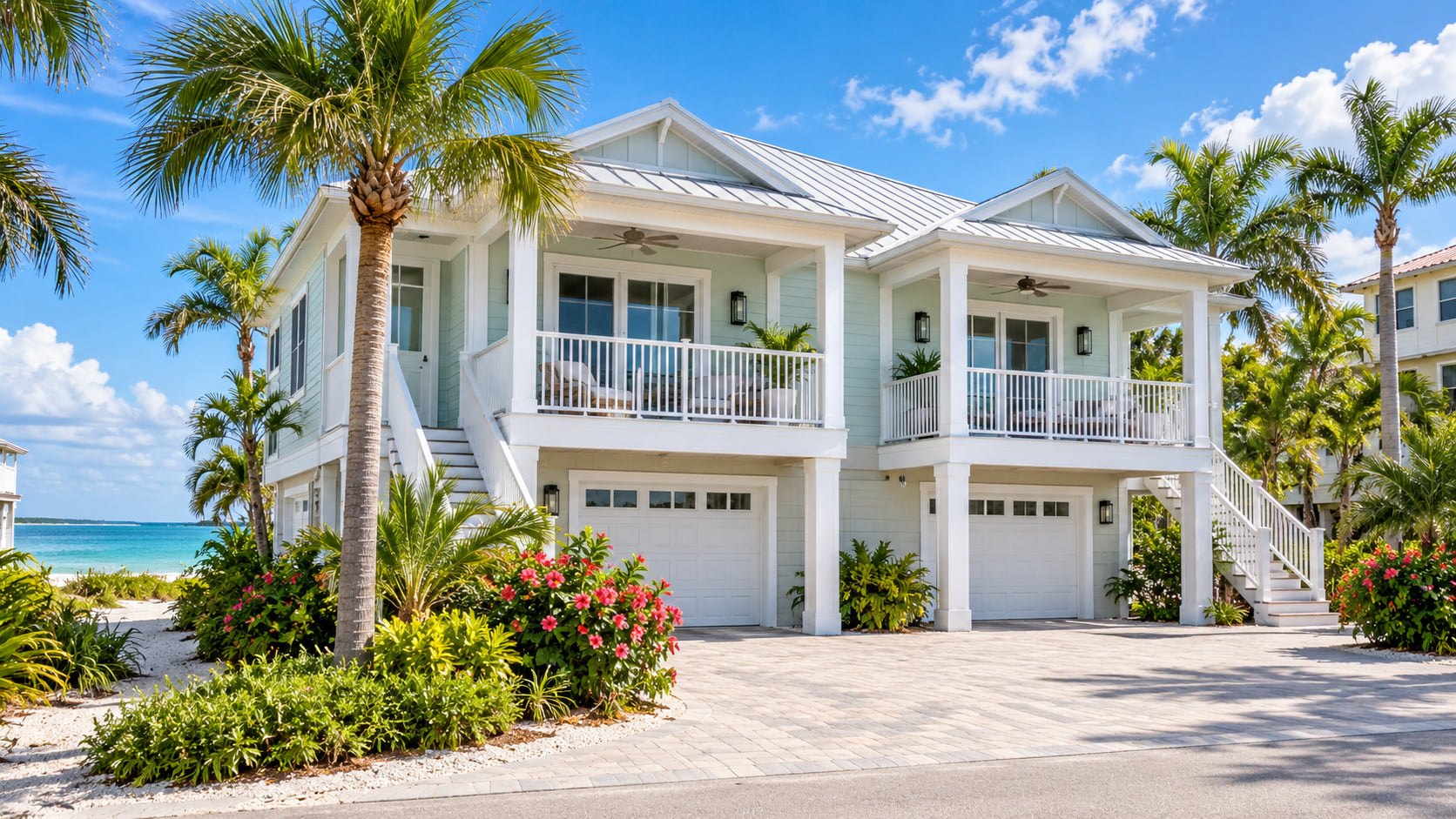
What investment - 2 units or more looks like on Sanibel
Nature meets luxury, island living with protected wildlife, pristine beaches, and serene waterfront homes.
Sanibel Island combines pristine nature with luxury island living. Conservation orientation and environmental protection shape the market, and nature-focused buyers are drawn to Sanibel's unique character. Waterfront homes emphasize environmental integration, and the island's limited development keeps supply restricted and value strong. I help nature-minded buyers and sellers find their island home.
- The homes
- A mix of older character properties and newer high-end construction, mostly from custom and specialty builders. The J.N. Ding Darling National Wildlife Refuge covers about a third of the island, which limits development and holds density down.
- Why people choose it
- Conservation character, shelling beaches and a quiet the resort islands do not offer. The refuge is the reason the island feels the way it does, and it is not going to change.
- Getting around
- Island access only. Wildlife refuge and conservation infrastructure dominate. Water-lifestyle activity central to daily life. Limited commercial development by design.
- Nearby
- J.N. Ding Darling National Wildlife Refuge, East End, conservation areas, beaches
- The trade-off
- Quieter and more conservation-focused than Captiva, and less resort-oriented than Marco Island. Building, lighting and vegetation rules are stricter than most buyers expect, and they shape what you can do with a property after closing.
Investment - 2 units or more: keep exploring
Ready to make your move with Kris Asquith at Premiere Plus Realty?