2026-11-06 · 7 min read · Estero
How Do You Find Out a Home's Insurance Claims History Before Buying in Estero?
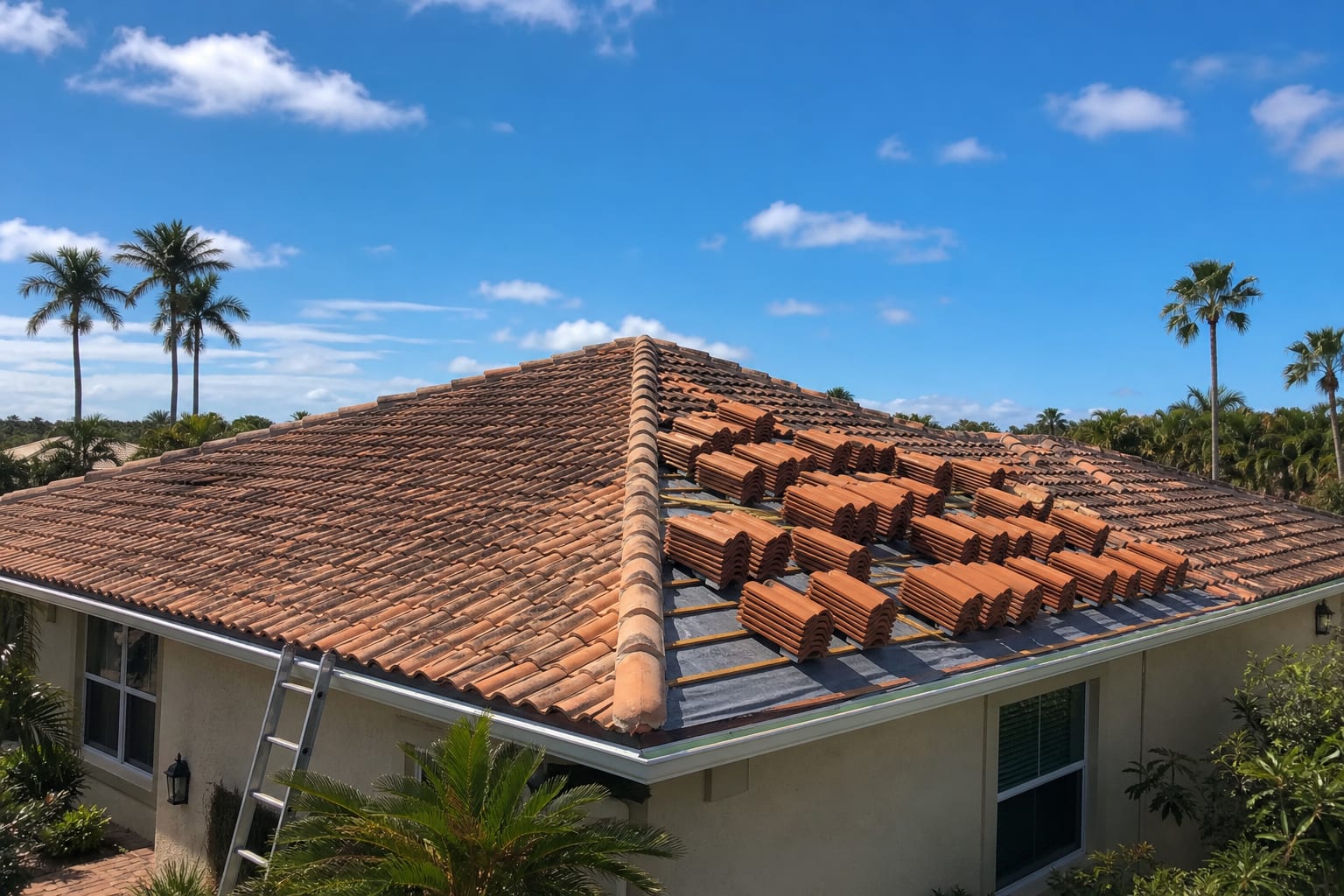
How do you find out a home's insurance claims history before buying in Estero?
Ask the seller for the home's CLUE report, ideally before you write an offer or as a request in the offer itself. A buyer cannot order that report directly, but the owner can. Then compare what it shows with the seller's disclosures, the flood disclosure and the permit record for the address, and hand all of it to your inspector so they know where to look.
I am Kris Asquith, Broker Associate at Premiere Plus Realty, and I help buyers and sellers in Estero and eight other Southwest Florida markets. Many Estero homes sit in master-planned communities and wear tile roofs, and a past roof, water or wind claim on a specific house is one of the things that can change your insurance quote. Knowing the history early means you are not learning it from an underwriter a week before closing.
What is a CLUE report?
CLUE stands for Comprehensive Loss Underwriting Exchange. It is a database run by LexisNexis Risk Solutions that insurance companies report claims to, and insurers read it when they decide whether to write a policy and what to charge. A property report lists homeowners insurance claims on that address, generally covering about the past seven years: the date of each loss, the type of loss, and what was paid.
The report follows the property, not just the person, so it can show claims made by earlier owners as well as the current seller. That is exactly why it is useful to a buyer. A home that has had several water claims in a few years tells a different story from one with a single claim that was repaired and closed.
Why can't a buyer order the report directly?
Because it is treated as a consumer report under federal law, and access is limited to the owner and to companies with a legitimate business reason, such as an insurer. Homeowners are entitled to a free copy of their own report once a year. So the practical route is to ask the seller to request it and share it with you.
A seller with nothing to worry about usually has no reason to refuse, and many sellers are glad to hand it over because it answers questions before they are asked. If a seller will not provide it, that is worth noting, though it is not proof of a problem on its own. Your inspection, the permit record and the seller's written disclosures still give you a lot to go on.
What does a CLUE report leave out?
More than most buyers expect, so treat it as one piece of the picture:
- It only shows what insurers reported. Damage a previous owner paid to fix out of pocket will not be there.
- It covers a limited window, so older history may not appear.
- Do not assume it includes claims made under a separate flood policy. Ask about flood history directly.
- It tells you a claim was paid, not whether the repair was done well, or done at all.
That last point matters most. Money paid on a roof claim and a new roof on the house are two different things. The permit record and your inspector are what close that gap.
How do you check the claims history against the permits and the flood disclosure?
Line the documents up by date. If the report shows a roof or water claim, the permit history should usually show the repair that followed it. The Village of Estero handles building permits for homes inside its limits, and homes built before the Village incorporated in 2014 may have older records with Lee County. A claim with no matching permit is a question for the seller, because unpermitted work passes to the new owner at closing.
Florida law also requires a seller of residential property to give the buyer a written flood disclosure at or before the time the contract is signed. My article on what Florida's flood disclosure law means for buyers and sellers explains what that form asks and what it does not tell you, and the same law applies in Estero. Florida sellers are also generally required to disclose known defects that materially affect a home's value and that a buyer could not readily see. When the CLUE report, the flood disclosure and the general disclosure all agree, you can move forward with more confidence. When they do not, ask why.
How does a past claim affect your insurance quote?
It can. Insurers look at the home's own claims history alongside the age and condition of the roof, the plumbing, the electrical system and the storm protection on the openings. A recent roof claim followed by a permitted new roof can work in a home's favor. A string of water claims with no clear fix can make a home harder or more expensive to insure. Insurers may also look at your own claims history as a homeowner, so a quote is about you and the house together.
Get a real quote on the specific address early in your inspection period, and give your insurance agent the CLUE report if you have it. My articles on what to check about the roof before buying in Estero and hurricane shutters and impact windows on an Estero home cover the two items insurers ask about most, and my guide to whether Estero homes need flood insurance covers the separate flood question.
When should you ask for it, and what if you are selling?
If you are buying, ask as soon as you are serious about a home, and give the report to your inspector along with the disclosures, so they can look closely at the roof, ceilings and plumbing where past claims point. My article on what a home inspection covers in Estero explains what the inspector will and will not see, and my step-by-step home buying process shows where the inspection period falls. Ask your real estate attorney or title company about the timing and wording of any request in the contract.
If you are selling, order your own report before you list. It is free once a year, it lets you see what a buyer's insurer will see, and it gives you time to gather the repair invoices and permits that match each claim. A claim that was properly repaired and documented is far easier to explain than a surprise. My page on buying a home in Estero covers the wider picture, and I am glad to go through a specific home with you. Get in touch or call (239) 300-1427.
This article is a general overview and is not legal or insurance advice about any particular property. Confirm the specifics with your insurance agent, your home inspector and a real estate attorney.
Frequently Asked Questions
Can a buyer get a CLUE report on a home in Estero?
Not directly. The report is available to the property owner and to companies with a legitimate business reason, such as an insurer. Ask the seller to request it and share it with you, ideally before you write an offer or as a request in the offer.
How far back does a CLUE report go?
A property report generally covers about the past seven years of homeowners insurance claims on the address, including claims by earlier owners. It does not show damage that was repaired without a claim.
Is a past insurance claim a reason not to buy?
Not on its own. A single claim that was repaired under a permit and documented is common. A pattern of water or roof claims with no clear repair record deserves a closer look from your inspector and a real insurance quote before you commit.
Should I order my own CLUE report before selling my Estero home?
It is a good idea. Homeowners can get a free copy once a year, and seeing it before you list gives you time to gather the invoices and permits that show how each claim was repaired.