2026-10-25 · 8 min read · Estero
What Does a Home Inspection Actually Cover When You Buy a Home in Estero?
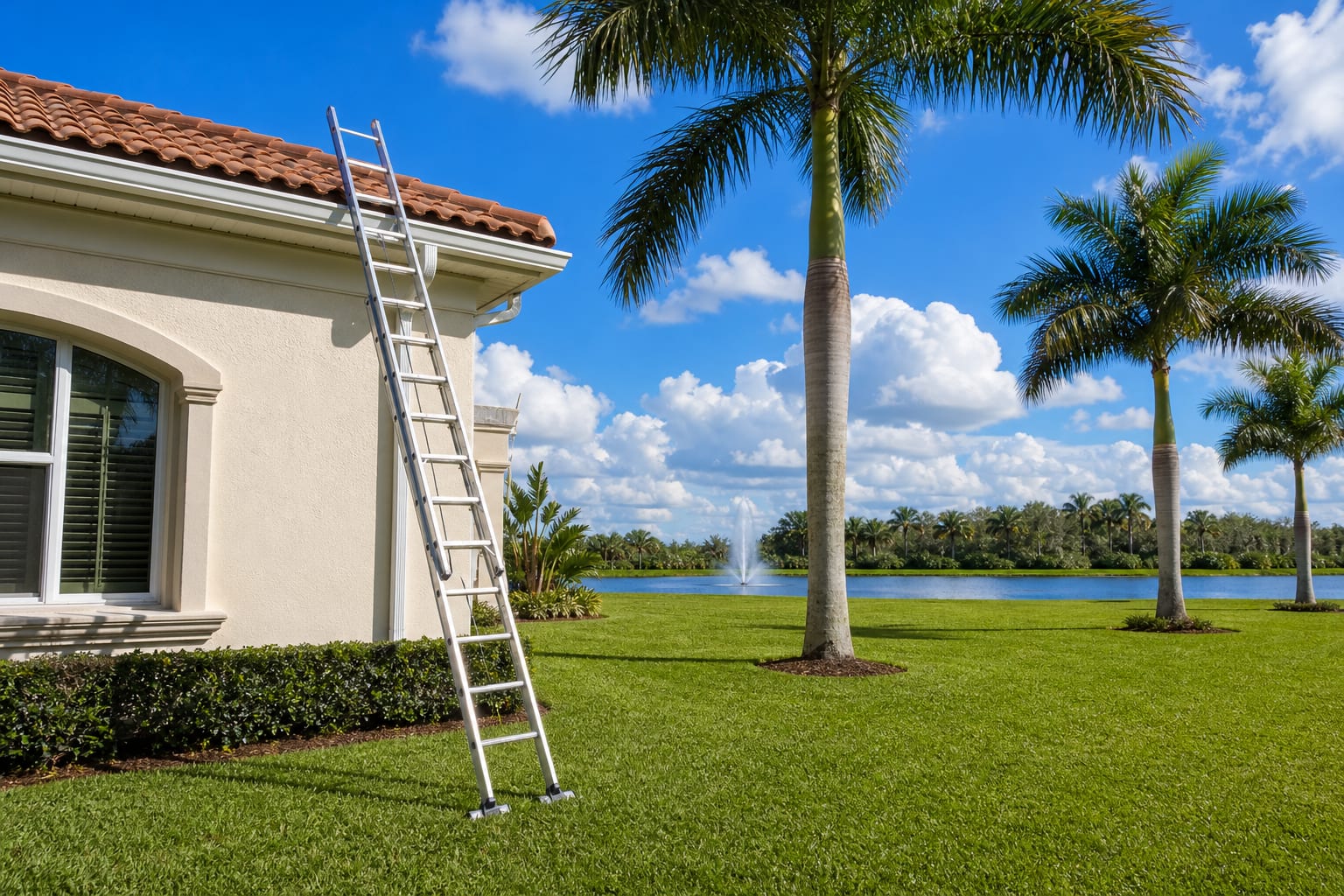
What does a home inspection actually cover when you buy a home in Estero?
A general home inspection is a visual check of the parts of the house an inspector can see and reach on the day of the visit: the roof covering, the structure, the exterior, the electrical panel and outlets, the plumbing fixtures and water heater, the air conditioning system, the windows and doors, the attic, and the built-in appliances. It tells you what condition those systems appear to be in and which ones need repair or a closer look. It does not open walls, guarantee anything will keep working, or cover every specialty item, which is why most purchases in Estero add one or two other inspections alongside it.
I am Kris Asquith, Broker Associate at Premiere Plus Realty, and I help buyers and sellers across Estero and eight other Southwest Florida markets. Much of Estero's housing sits inside gated, master-planned communities, and many of those homes have tile roofs, screened pools and lanais. A newer home in a well kept community still needs a careful inspection, and knowing what the report will and will not tell you is how you get your money's worth from it.
Who should you hire to inspect a home in Estero?
A Florida licensed home inspector. Florida licenses home inspectors through the Department of Business and Professional Regulation, and you can look up any inspector's license on the department's website before you book. Ask what the inspection includes, whether the inspector can also prepare the insurance forms discussed below at the same visit, and how soon the written report will arrive, because the report needs to land well inside your inspection period.
You choose the inspector and you pay for the inspection, and the report is written for you. Book early, because the inspection, any follow-up visits from contractors, and your decision all have to fit inside the same window.
What does a general inspection leave out?
More than most buyers expect. An inspector reports on what is visible and accessible, so anything behind drywall, under flooring, inside a sealed attic space or under a slab is outside what they can see. Items that are commonly outside a standard inspection, or offered only as add-ons, include wood-destroying organisms such as termites, mold sampling, the sewer line from the house to the street, irrigation systems, outdoor lighting, and low-voltage systems like security and audio wiring. Ask your inspector for a written list of what is and is not included before the appointment, so nothing important falls in the gap.
The inspector is also limited by safety and access. Many inspectors will not walk on a tile roof because the tiles can crack underfoot, so they may assess it from a ladder, from the ground or with a drone. That is normal, and it is a good reason to ask the seller for the roof's age, any permits for roof work, and any record of repairs to the underlayment beneath the tiles.
Which extra inspections are worth adding in Estero?
Three come up on most purchases here.
A wood-destroying organism inspection. In Florida this is done by a licensed pest control company, not by the home inspector, and many lenders ask for it. It reports visible signs of termites and other wood-destroying organisms and any evidence of past treatment.
A four-point inspection. Many insurance companies ask for this on older homes. It looks at four systems the insurer cares about: the roof, the electrical, the plumbing and the heating and air conditioning. My article on four-point inspections for insuring an older home explains when insurers ask for one.
A wind mitigation inspection. This records the features that help a home stand up to wind, such as how the roof is attached, the roof shape, and whether the windows, doors and garage door are rated or protected. Those features can lower the windstorm part of the insurance premium, so it is worth having even when nobody asks for it. My article on how a wind mitigation inspection affects insurance goes through the form.
Depending on the home, you might also add a pool inspection, a sewer camera inspection on an older home, or a mold assessment by a separately licensed mold assessor if the inspector notes signs of moisture. My article on checking the pool and screen enclosure before buying in Estero covers that part of the property.
Do you need an inspection on a newer home or new construction?
Yes. A home built in the last few years can still have a roof leak, a missing connection in the attic, a drain that was never tied in, or an air conditioning system that was set up wrong. On a resale home, those items are the buyer's problem after closing. On new construction, finding them before closing means the builder fixes them while it is still their job.
For a brand new home, many buyers schedule an inspection before the drywall goes up and another before the final walk-through with the builder. Read your builder contract first, because it sets when and how outside inspectors may come on site, and keep the inspection reports with your warranty paperwork so anything that shows up later can be matched against them.
What about the parts of the home the HOA takes care of?
Find out which parts those are before you inspect, because it changes what matters in the report. In some Estero villa, coach home and attached-home neighborhoods, the association maintains roofs, exterior paint or landscaping. In most single-family neighborhoods, the owner is responsible for the whole house and the association handles the common areas. Ask for the community's governing documents and read the maintenance section, or ask the association manager directly.
If the association is responsible for the roof and the report notes a problem with it, that is a question for the association, and it may point to a planned project or a future assessment. My article on what Estero HOA fees actually cover walks through what the monthly fee typically includes.
What should you do with the inspection report?
Sort it, quickly. A report on even a well kept home will list many items, and most are minor maintenance. Pull out the ones that matter: anything involving water, the roof, the structure, the electrical panel, the air conditioning, or safety. For those, get a licensed contractor to look and give you a written estimate while you are still inside your inspection period. Then decide whether to ask the seller for a repair, a credit or a price change, or to move on.
Your contract sets how many days you have and what you can do with what you find. Under the AS IS contract that is widely used in Florida, the buyer can generally cancel during the inspection period if the property is not acceptable to them, and the seller is not required to make repairs, so any repair or credit is a negotiation. Read your own contract and confirm with a real estate attorney if you are unsure. My buying process shows where the inspection falls. Missing the inspection deadline can also put your earnest money deposit at risk, so put the date on your calendar the day the contract is signed.
Keep the report after closing. It is a useful checklist for your own maintenance, and you will want it on the final walk-through before closing to confirm agreed repairs were done. If you are weighing a home in Estero, see my page on buying a home in Estero, then get in touch or call (239) 300-1427 and I will help you plan the inspections for the specific home.
This article is a general overview and is not legal, insurance or engineering advice about any particular property. Confirm the specifics with your home inspector, your insurance agent, a licensed contractor and a real estate attorney.
Frequently Asked Questions
What does a home inspection cover in Estero?
A general home inspection is a visual check of the visible, accessible parts of the home on the day of the visit: the roof covering, structure, exterior, electrical, plumbing, water heater, air conditioning, windows and doors, attic and built-in appliances. It does not see behind walls or under floors, and it does not cover every specialty item.
Is a termite inspection part of a home inspection in Florida?
Usually not. In Florida a wood-destroying organism inspection is done by a licensed pest control company and is ordered separately, though many inspectors can arrange one for the same day. Many lenders ask for it.
Should I get an inspection on a new construction home in Estero?
Yes. Problems found before closing are the builder's to fix. Many buyers schedule one inspection before the drywall goes up and another before the final walk-through. Check your builder contract first for the rules on outside inspectors.
Will the inspector walk on a tile roof?
Often not, because tiles can crack underfoot. The inspector may assess a tile roof from a ladder, from the ground or with a drone. Ask the seller for the roof's age and any permits for roof work so you have the full picture.
Does the seller have to fix what the inspection finds?
Not under the AS IS contract widely used in Florida. The buyer can generally cancel during the inspection period if the property is not acceptable, and any repair or credit is a negotiation. Your own contract controls, so read it and ask a real estate attorney if you are unsure.