2026-10-20 · 7 min read · Estero
What Should You Check on the Final Walk-Through Before Closing on a Home in Estero?
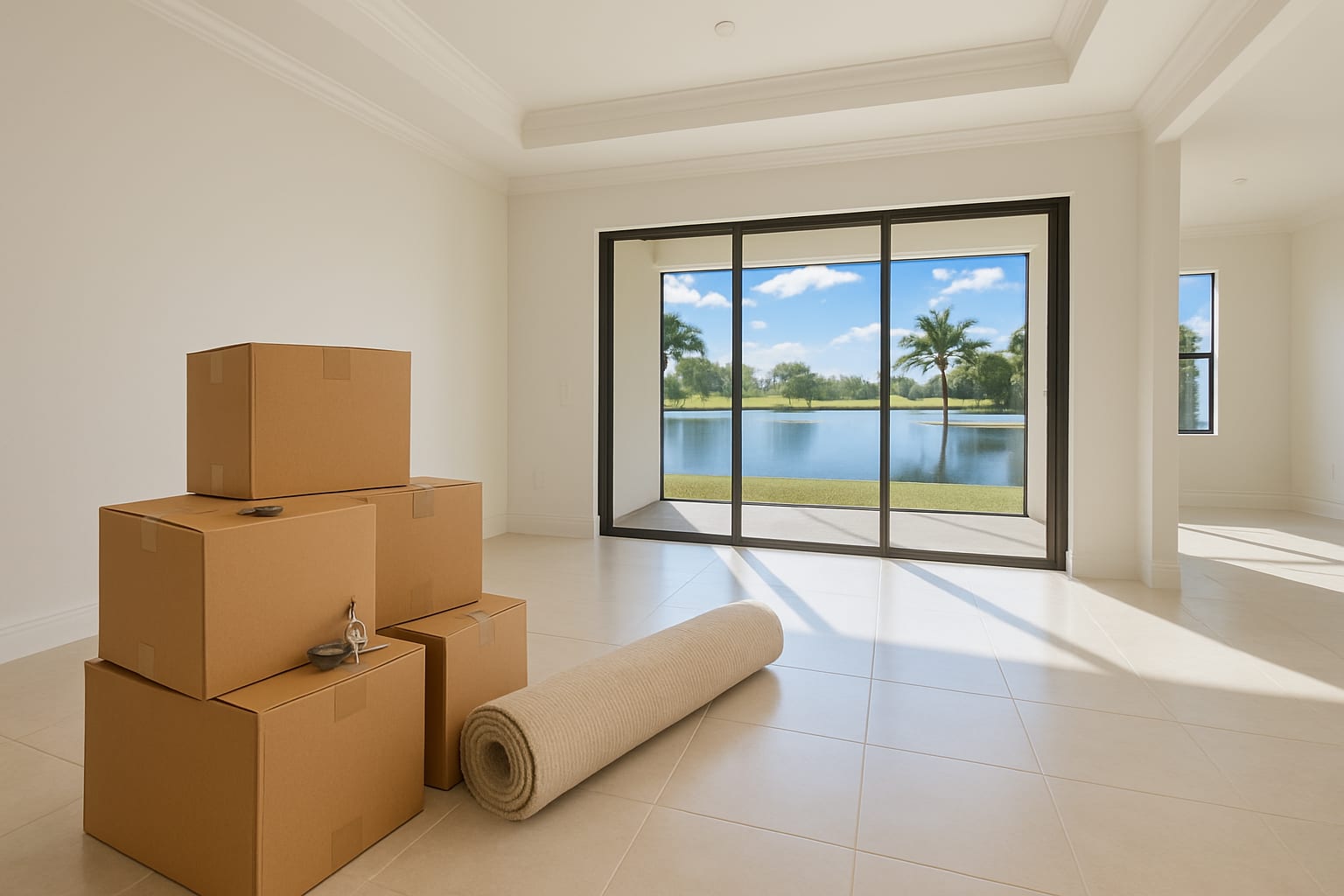
What should you check on the final walk-through before closing on a home in Estero?
Check three things: that the home is in the same condition it was in when you signed the contract, that every repair the seller agreed to was actually done, and that everything included in the sale is still there and working. The final walk-through is not a second inspection and it is not a chance to renegotiate the house. It is a confirmation, done close to closing, that what you are about to pay for is what you agreed to buy.
I am Kris Asquith, Broker Associate at Premiere Plus Realty, and I help buyers and sellers across Estero and eight other Southwest Florida markets. A walk-through takes less than an hour, and it is the last moment when a problem is still the seller's to solve. This is how I walk buyers through it.
When does the final walk-through happen?
Close to closing, at a time your contract allows. The Florida Realtors contract forms most commonly used for Estero homes give the buyer the right to a walk-through shortly before closing, typically the day before or the day of closing ahead of the signing itself. Read your own contract, because the timing and wording are what actually govern your sale, and ask your agent to schedule it as soon as the closing date is firm.
I prefer the day before when the schedule allows. If something is wrong, a day gives the agents, the title company and the seller time to sort it out without everyone watching the clock at the closing table. My step-by-step buying process shows where the walk-through falls among the other steps after you go under contract.
How is the walk-through different from the home inspection?
The inspection happened weeks earlier, during your inspection period, and that is when you had the most room to ask for repairs, a credit or a change in price. Once that period ends, most contracts expect the seller to keep the home in the condition it was in when you signed, apart from ordinary wear and tear, and to complete whatever repairs were agreed in writing. The walk-through checks exactly those promises.
So bring your inspection report and your repair agreement with you. They are the list. A buyer who finds something new on the walk-through that was already there at inspection is usually out of time to raise it. A buyer who finds that an agreed repair was not done, or that something broke after the contract was signed, is raising exactly what the walk-through is for.
What should you test, room by room?
Run everything that runs. A useful order:
- Air conditioning. Turn it on and let it run long enough to feel cool air at the vents. In Estero it is the system you will notice first if it fails.
- Plumbing. Run every faucet and shower, flush every toilet, and look under each sink for drips or fresh stains.
- Kitchen and laundry appliances. Turn on the range, oven, dishwasher, microwave and disposal. Check that the refrigerator is cold and the washer and dryer start, if they are included.
- Water heater. Confirm hot water at a faucet.
- Garage door. Test the opener and the remotes.
- Doors and windows. Open, close and lock each one, including sliders to the lanai.
- Ceilings and walls. Look up. A new water stain on a ceiling is the clearest sign something changed since inspection.
- Outside. Run the irrigation, walk the lanai and look at the roofline from the yard.
If the home has a pool, run the pump, look at the water and walk the screen enclosure. My article on checking the pool and screen enclosure before buying in Estero covers what to look for in more detail.
What should you make sure the seller leaves behind?
The things that make the house work after you move in. Many Estero homes sit inside gated communities with a homeowners association, so the list is usually longer than keys:
- House keys, garage remotes and any mailbox key.
- Gate remotes, transponders or access cards, and amenity cards, if the association issues them to the home rather than to the owner.
- Storm protection: the shutter panels, their hardware and any instructions for accordion or roll-down shutters. Panels stored in the garage are easy to miss and expensive to replace.
- Manuals and warranties for appliances, the air conditioning and the pool equipment.
- Receipts, warranties and permits for any repairs done under your agreement.
Ask how the association registers a new owner for gate access, because some communities reissue access to the new owner rather than handing it over from the seller. The HOA estoppel certificate is the paperwork that confirms what the seller owes the association at closing, and my article on what Estero HOA fees cover explains what your dues will pay for from day one.
How do you check that agreed repairs were actually done?
Ask for proof before the walk-through, then look at the work yourself. A written receipt or invoice from a licensed contractor should name the work done. Where the work needs a permit, such as a replaced water heater, an air conditioning change-out or structural work on a screen enclosure, ask for the permit and look for a final inspection on it. The Village of Estero handles building permits for homes inside its limits, so the record is searchable by address.
Then confirm the repair in person. A fixed leak should leave a dry cabinet. A serviced air conditioner should cool. A replaced part should be new. If the home is new construction, the walk-through often runs alongside the builder's orientation, and my article on builder warranties in Estero explains what the builder may still owe you after closing.
What if the seller lived there only part of the year?
Look a little harder. Seasonal owners often close a home up for months at a time, with the air conditioning set to control humidity and the water sometimes shut off at the main. That is sensible care, but it means problems can sit unnoticed. On a home that has been closed up, check for a musty smell, signs of moisture around windows and air handlers, and drains that gurgle or run slowly once the water has been on for a while.
The same goes for a storm. If weather has passed through between the contract and closing, the walk-through is where you see what it did. Most Florida contracts include a paragraph on what happens if the home is damaged before closing. If you find storm damage, stop and call your agent before you sign anything, because that paragraph, not the walk-through, decides what happens next.
What can you do if something is wrong at the walk-through?
Tell your agent right away, with photographs, and let the agents work it out with the seller's side before closing. Depending on what you find and what the seller agrees to, the usual answers are a repair before closing, a credit at closing, or money held back from the seller's proceeds until the work is finished, which needs the title company and, if you are financing, your lender to agree. In rare cases the closing moves.
Keep it in proportion. A light bulb or a loose cabinet handle is not worth delaying a closing. A failed air conditioner, a leak or a missing set of shutter panels is. Your earnest money is still being held while this is sorted out, and my article on how earnest money works in Estero explains what protects it.
Where should you start?
Start with your contract and your inspection report, because together they are your walk-through checklist. If you are early in your search, my page on buying a home in Estero covers the full picture, and I am glad to walk through a specific home with you. Get in touch or call (239) 300-1427.
This article is a general overview and is not legal advice. Your purchase contract governs your walk-through, and questions about your rights under it belong with your agent and a Florida real estate attorney.
Frequently Asked Questions
Is the final walk-through the same as a home inspection?
No. The home inspection happens during your inspection period, weeks before closing, and is when you can ask for repairs or credits. The final walk-through happens shortly before closing and confirms the home is in the condition you agreed to buy, that agreed repairs were done and that included items are still there.
When is the final walk-through on an Estero home?
Your contract sets it. The Florida Realtors contract forms commonly used in Estero give the buyer a walk-through shortly before closing, typically the day before or the day of closing before signing. Read your own contract and schedule it once the closing date is firm.
What happens if an agreed repair was not done before closing?
Tell your agent before you sign anything. Depending on what the seller agrees to, the answer is usually a repair before closing, a credit at closing, or funds held back from the seller's proceeds until the work is done, which needs the title company and any lender to agree.
Should I get gate remotes and shutter panels from the seller?
Yes, if they belong with the home. Check for gate remotes or access cards, amenity cards, garage remotes, mailbox keys, and storm shutter panels with their hardware. Ask the homeowners association how it registers a new owner for gate access, because some communities reissue access rather than transferring it.