2026-11-23 · 8 min read · Estero
What Should You Check on the Wind Mitigation Report Before Buying a Home in Estero?
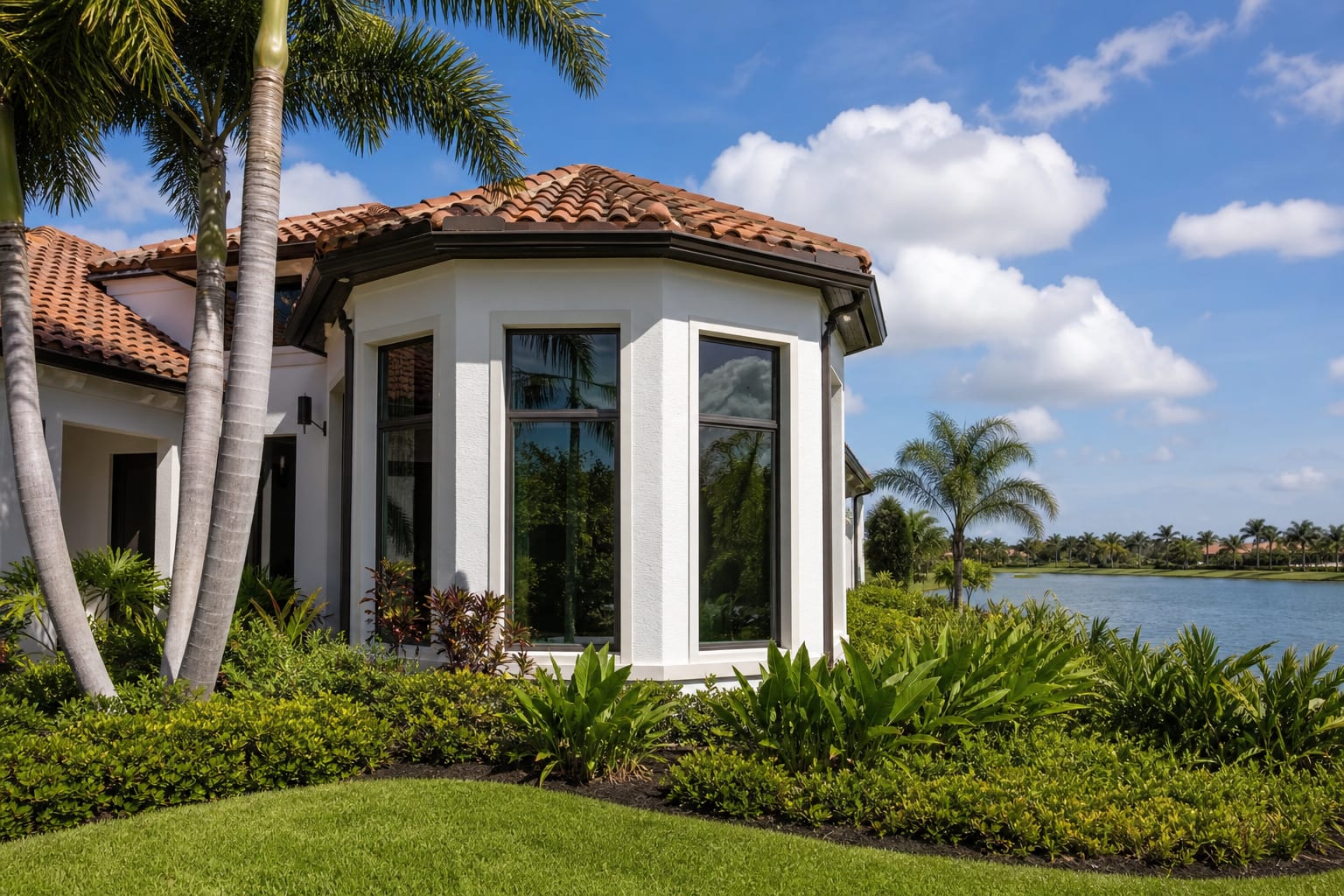
What should you check on the wind mitigation report before buying a home in Estero?
Check four things: that the report is recent and signed by a qualified professional, that each line on it matches the house you are buying, that nothing important is marked unknown when it could be proved, and that the openings section covers every window and door. Then hand it to more than one insurance agent during your inspection period, so you see the real cost of insuring the home before you are committed to it.
I am Kris Asquith, Broker Associate at Premiere Plus Realty, and I help buyers and sellers in Estero and eight other Southwest Florida markets. Estero is an inland village with no Gulf frontage, but its homes are insured for wind like every other home in the region, and two homes that look alike from the street can carry very different reports. The report is short, and it is worth reading every line of it yourself.
What is a wind mitigation report?
It is a standard Florida form, the Uniform Mitigation Verification Inspection Form, that records the features of a home that help it stand up to wind. Florida law requires homeowners insurers to offer discounts or credits for those features, and the form is how the insurer learns which ones the home has. It is completed by a licensed home inspector or another professional the form allows, such as a licensed contractor or engineer, and it is signed.
It is not a home inspection and it is not a judgment on condition. It records how the home was built and what protects it, with photographs. A home can score well on this form and still need a new air conditioner, and a home with a strong roof on paper can still have a leak. Read it alongside your general inspection, not instead of it.
Which lines on the form matter most?
The form walks through the same items every time, and each one can move the quote on its own:
- Building code. Whether the home was built to the Florida Building Code that took effect statewide in 2002, which the form checks by the date of the original building permit.
- Roof covering. The material and the permit date of the roof that is on the house now.
- Roof deck attachment. How the sheathing under the tile or shingles is nailed to the framing.
- Roof-to-wall attachment. How the roof framing is tied down to the walls, from nails alone up through clips, single wraps and double wraps.
- Roof shape. A hip roof, sloping down on every side, generally rates better than a gable roof with flat triangular ends.
- Secondary water resistance. Whether there is a sealed layer over the roof deck that helps keep water out if the covering is damaged.
- Opening protection. What protects the windows, doors, sliders, skylights and garage door against wind-borne debris.
My article on what to check about the roof before buying in Estero covers the roof itself, including how to confirm when it was actually installed.
Why does a line marked unknown matter?
Because an insurer usually cannot give credit for a feature nobody could see or prove. The roof deck and the roof-to-wall connections are checked from the attic, so the inspector has to get up there and photograph them. In an attic with deep insulation, no access hatch or a low, tight space, an inspector may not be able to see what is there and will mark it that way.
When a line says unknown or none, ask why. Sometimes the answer is that the feature is not there. Sometimes it is that the attic was hard to reach, or that the permit paperwork for the roof or the shutters could not be found. A second look, or the right document, can turn an unknown into a credit, and your inspection period is the time to find out.
Why does the openings section need every window and door?
Because the form rates the home by its weakest protected opening. A home with new impact windows on every wall and an older front door with glass in it, or a garage door with no wind rating, may not reach the best rating in that section. Count the openings yourself: every window, every slider to the lanai, each entry door and the garage door.
Then compare what the report says with what is in the house. If the home relies on shutters or storm panels, they have to be there and complete. My article on hurricane shutters and impact windows in Estero explains how to tell whether glass is actually impact-rated, what to look for on a garage door, and how to check that a full set of panels is still in the garage.
How old can the report be?
The form states that it is valid for up to five years, as long as nothing material about the structure has changed in that time. Each insurer decides what it will accept, so ask your insurance agent. A new roof, new impact windows or new shutters since the report was done are reasons to order a fresh one, because the old report will not show them and the home may be losing credit it has earned.
Read the date and the signature first. A report the seller hands you from a previous owner, done before a re-roof, describes a different roof. If there is any doubt, order your own early in your inspection period. It is a modest cost next to a year of premiums.
How do you check the report against the permits and the claims history?
Line them up by date. The roof covering date and any opening protection on the report should match permits for that work. In Estero, recent permits sit with the Village of Estero and work permitted before 2016 sits with Lee County, and my article on checking a home's permit history in Estero walks through both. Storm protection added without a permit may not be credited, and unpermitted work passes to the new owner at closing.
Then look at the home's insurance claims history. A past roof claim followed by a permitted new roof is the story you want to see. My article on finding a home's insurance claims history in Estero explains how to get the CLUE report from the seller and what it leaves out.
What about a condo, villa or coach home?
The documents decide who insures what. In a condominium, the association usually insures the building, so ask whether it has a wind mitigation report for the building and what it showed, and ask your insurance agent which features matter for your own unit policy. In attached villas and coach homes run by a homeowners association, the split varies, and an owner may insure their own unit even where the roof is shared. Read the declaration and ask the association before you rely on anyone's summary.
What should you do with what you find?
Get written insurance quotes on the specific address, using the current report, while you can still act on them. Wind is only part of the cost: flood insurance is separate, and my article on whether Estero homes need flood insurance covers that side. If the quotes change your view of the home, your contract sets how long you have to decide, and my step-by-step home buying process shows where that window falls.
If you are selling, a recent report ready before you list lets buyers get quotes in the first days of the contract instead of the last. My page on buying a home in Estero covers the wider picture, and I am glad to go through a wind mitigation report on a specific home with you. Get in touch or call (239) 300-1427.
This article is a general overview and is not insurance, legal or construction advice about any particular property. Confirm the specifics with a licensed insurance agent, your inspector, a licensed roofer or contractor, the association, the Village of Estero and Lee County.
Frequently Asked Questions
Is a wind mitigation inspection required to buy a home in Estero?
Not by law for every purchase, but it is one of the main documents an insurer uses to price the wind portion of a homeowners policy. If the seller does not have a recent one, order your own during your inspection period.
How long is a wind mitigation report good for?
The state form says up to five years, as long as nothing material about the structure has changed. A new roof, impact windows or shutters since the report are reasons to order a new one, and each insurer decides what it accepts.
Can a new home in Estero still get a weak wind mitigation report?
It can score lower than expected on individual lines. A newer home may still have an unprotected opening, a gable roof or features nobody documented. Read each line and ask the builder for the product approvals and permits that prove what was installed.
Who can complete a wind mitigation inspection in Florida?
The form lists who may sign it, including licensed home inspectors and licensed contractors and engineers. Check the name, license and date on any report you are handed.