2026-11-05 · 7 min read · Fort Myers Beach
What Should You Check About the Elevator Before Buying an Elevated Home on Fort Myers Beach?
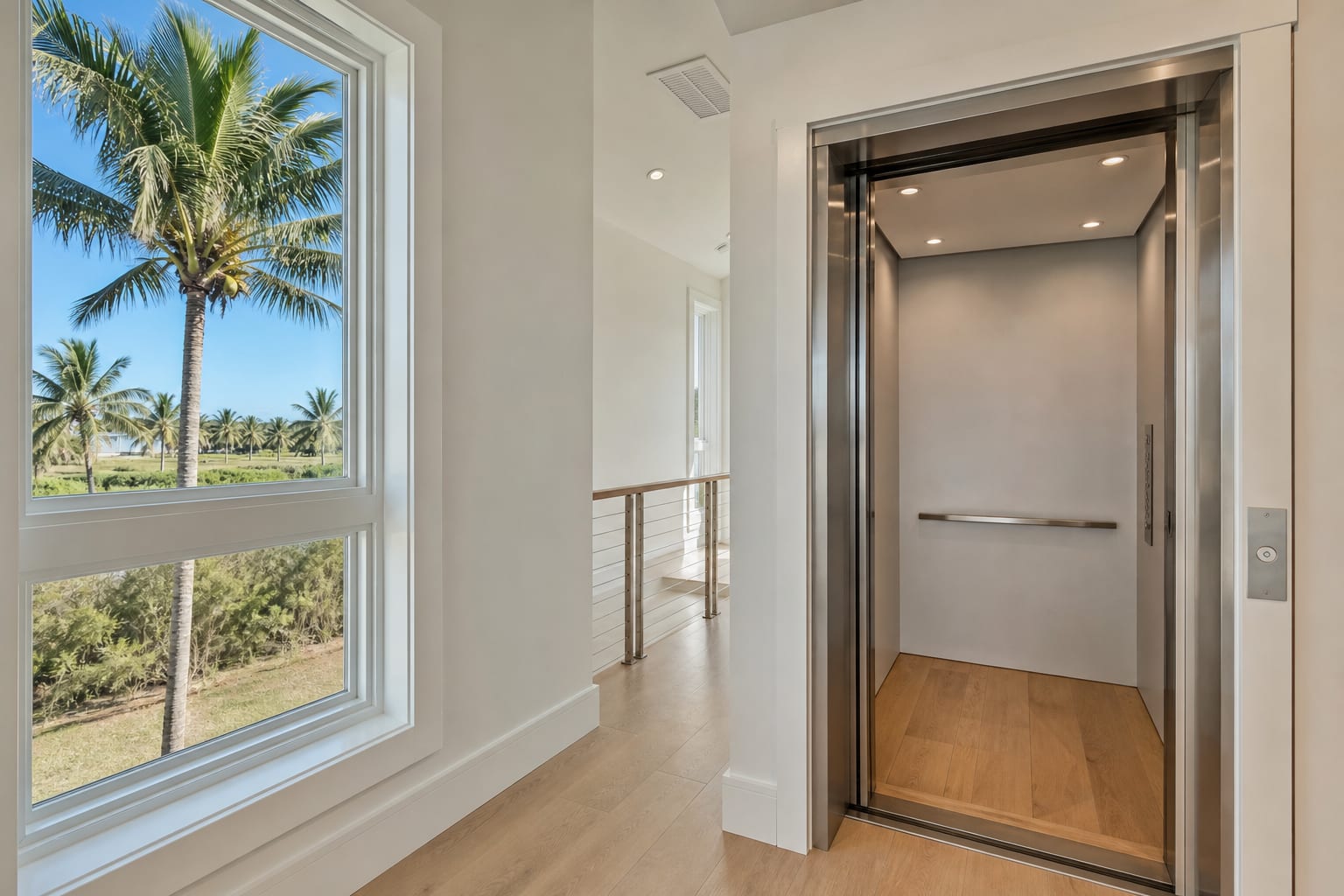
What should you check about the elevator before buying an elevated home on Fort Myers Beach?
Find out whether the elevator works from every level today, what happened to it in past storms, where its machinery and controls sit relative to flood water, whether it was installed and repaired under permits, and who has been servicing it. Then have an elevator company look at it during your inspection period, because a general home inspector will usually note that an elevator exists and runs, and stop there. Those answers tell you whether the elevator is a working feature of the home or a repair you would be taking on.
I am Kris Asquith, Broker Associate at Premiere Plus Realty, and I help buyers and sellers on Fort Myers Beach and across eight other Southwest Florida markets. On the island, living space often starts a full story or more above the ground, with parking and storage below. An elevator turns that climb into a short ride, which is why so many raised and rebuilt homes have one, and why its condition deserves the same attention as the roof or the air conditioning.
Why does the elevator matter more on the island than on the mainland?
Because of where it starts. A residential elevator in an elevated home usually begins at the ground level, the part of the home that is built to let flood water pass through. The cab, the pit below it and often the drive equipment sit in the area most exposed to storm surge. When Hurricane Ian flooded the island in 2022, ground levels took on water across much of it, and elevators were among the systems that needed repair or replacement afterward.
Salt air adds slower wear. Rails, cables, door hardware and electrical connections near the ground level sit in humid, salty air every day, and corrosion that is minor in one year can become a repair a few years later. My article on what you can use the ground floor for under an elevated home explains how that lower level is meant to work and what can legally be built there.
What should you ask about the elevator's storm history?
Ask the seller directly: did water reach the elevator in Ian or any later storm, how high did it come, and what was done afterward? An elevator that sat in salt water may have had its controls, motor, wiring or cab replaced, or it may have been dried out and put back into service. Those are very different outcomes for a buyer.
Ask for the invoices and the name of the company that did the work, and compare the answers with the permit record. The Town of Fort Myers Beach handles building permits for homes on the island, so the record for the address comes from the Town. My article on what to check before buying a rebuilt home on Fort Myers Beach explains how to read a home's storm history and its permit record together.
Where does the elevator's equipment sit?
Ask the elevator company to show you, level by level. Residential elevators use different drive systems, including hydraulic units, cable or chain drives and machine-room-less designs, and each puts its motor, controller and power supply in a different place. Some sit at the ground level beside the shaft, some at the top, and some in a separate closet.
On an elevated home, equipment placed above the expected flood level is far less likely to be damaged by surge than equipment sitting near the slab. Find out where the controller and electrical disconnect are, whether anything was raised after a storm, and whether the pit has any way to drain. If the home was rebuilt or substantially improved after Ian, the work may have had to meet current flood rules, so the permit drawings can tell you what was required and where things were meant to go.
What records should the seller have?
Ask for four things: the installation permit and final inspection, any repair or replacement permits, the service and maintenance history, and the current service contract if there is one. Elevator manufacturers and installers generally recommend regular professional service, and a steady service record is the best sign that problems were caught while they were small.
Look for gaps. An elevator that went several years without service, or one replaced after a storm with no permit behind the work, is a question for the seller before you commit, because unpermitted work passes to the new owner at closing and an insurer or a future buyer may ask about it. If the service contract can transfer, ask what it covers, when it renews and whether the company will inspect the elevator before closing.
How does insurance treat an elevator under an elevated home?
Ask your insurance agent to quote the home with the elevator in mind, because two different policies are involved. Flood policies limit what they cover below the lowest elevated floor of a home, so how the elevator, its pit and its equipment are treated depends on the policy and on where those parts sit. The homeowners policy covers other risks, and the agent will want to know the elevator's age and condition.
Get those answers during your inspection period, not after closing. My article on how elevation changes what you pay on Fort Myers Beach explains how the height of the lowest floor drives the flood premium, and the same elevation certificate helps your agent understand where the elevator equipment sits.
Who looks after the elevators in a Fort Myers Beach condo?
Usually the association. Elevators that serve a condominium or other shared building in Florida are regulated by the state, and the building needs a current certificate of operation, which is commonly posted in the cab or kept by building management. Ask to see it, and ask when the elevators were last inspected and serviced.
Then look at the money. Replacing or modernizing a building's elevators is a large project, and it may be paid from reserves or from a special assessment on every owner. Ask whether elevator work is planned, read the board minutes for it, and check whether the reserve schedule includes the elevators. My articles on what to look for in the condo documents and on special assessments on Fort Myers Beach show where those answers tend to show up.
What should you do with what you find?
Sort it like any inspection finding. An elevator that runs smoothly, has a steady service history and has permits behind its installation and repairs is a maintenance item: keep the service going after closing. Corrosion, a controller near the slab, missing records or storm repairs with no permit call for an elevator company's written assessment and estimate, so you can decide whether to ask for a repair, a credit or a change in terms. Your contract sets how long you have to decide, so book the elevator inspection as soon as you go under contract. My step-by-step buying process shows where the inspection period falls.
If you are selling, gather the elevator permits, service records, storm repair invoices and the service contract before you list, and have it serviced so it runs well at every showing. My page on buying a home on Fort Myers Beach covers the wider picture, and I am glad to go through the records on a specific home with you. Get in touch or call (239) 300-1427.
This article is a general overview and is not legal, insurance or construction advice about any particular property. Confirm the specifics with a licensed elevator company, your home inspector, your insurance agent, a real estate attorney, the association and the Town of Fort Myers Beach.
Frequently Asked Questions
Does a home inspection cover the elevator?
Usually only briefly. A general home inspector will note that the elevator is there and may run it, but a licensed elevator company is the one to check the drive, controls, rails, doors and safety devices. Book that visit during your inspection period.
Was the elevator damaged in Hurricane Ian?
Ask the seller directly, because ground levels across much of Fort Myers Beach flooded in 2022. Ask how high the water reached, what was repaired or replaced and by whom, and compare the answers with the Town of Fort Myers Beach permit record.
Does flood insurance cover a home elevator?
Flood policies limit what they cover below the lowest elevated floor, so it depends on the policy and on where the elevator's parts sit. Ask your insurance agent to quote the home with the elevator and the elevation certificate in hand.
How do I check a condo building's elevators on Fort Myers Beach?
Ask to see the current state certificate of operation, the last inspection and service dates, and whether any elevator replacement is planned. Then check the reserve schedule and board minutes for how that work would be paid for.