2026-11-12 · 8 min read · Fort Myers Beach
What Should You Check About Hurricane Shutters and Impact Windows Before Buying a Home on Fort Myers Beach?
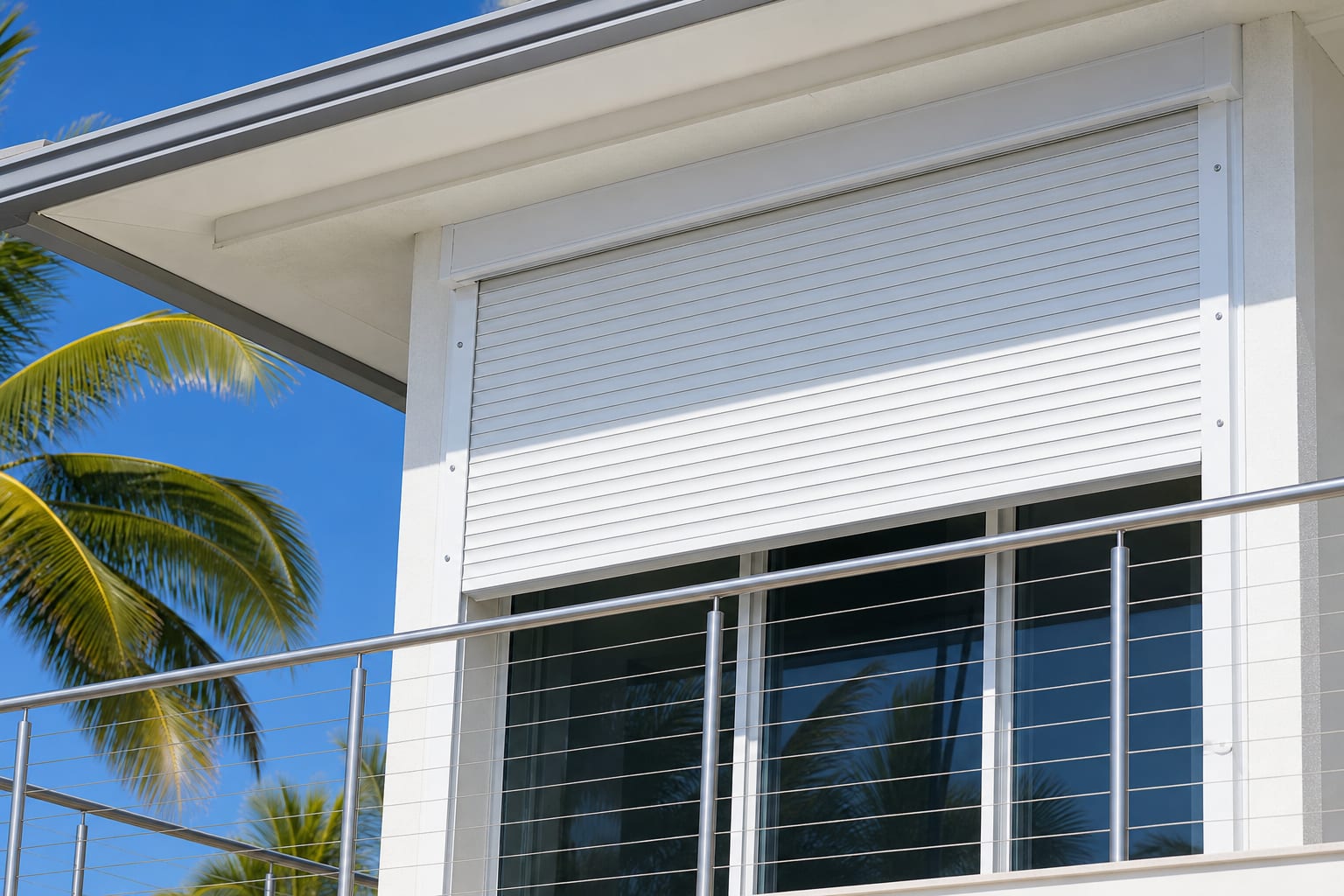
What should you check about hurricane shutters and impact windows before buying a home on Fort Myers Beach?
Find out what protects each opening in the home, including the sliding glass doors, the entry doors and any garage door; whether that protection is rated and documented; whether it was installed under a permit that passed final inspection; how the tracks, frames and fasteners have held up in the salt air; and who will close or put up the protection when a storm approaches. Those answers shape the homeowners insurance quote, the work each storm season asks of you, and what you may need to budget for after closing.
I am Kris Asquith, Broker Associate at Premiere Plus Realty, and I help buyers and sellers on Fort Myers Beach and in eight other Southwest Florida markets. The island has newly built elevated homes, older ground-level homes, homes rebuilt after Hurricane Ian and condominium buildings, often within a few blocks of each other. Two homes on the same street can be protected very differently, and listing photos rarely show the difference.
What kinds of storm protection will you see on Fort Myers Beach homes?
Mostly four kinds, and one home can have a mix of them. Impact-rated windows and doors use laminated glass in reinforced frames built to resist wind-borne debris, so the opening is protected without anyone putting anything up. Roll-down shutters sit in a housing above the opening and lower by motor or hand crank. Accordion shutters fold out from the sides and lock in the middle. Removable storm panels, in aluminum, steel or clear polycarbonate, slide into tracks or fasten to anchors around each opening, and fabric storm screens work in a similar way.
Each one asks something different of the owner. Impact glass protects the home whether or not you are there. Shutters and panels only protect it once someone closes or installs them. On an elevated home, many of the windows sit a full story or more above the ground, so hanging panels on them can mean working from a ladder or a balcony. If the home will sit empty for part of the year, decide who will do that and how much notice they need, and ask the seller who has been doing it until now.
How can you tell whether the windows are really impact-rated?
By the paperwork first and the glass second. Products sold as hurricane protection in Florida carry a Florida Product Approval or a Miami-Dade County Notice of Acceptance, and the permit, the installer's invoice or the product documents should name it. Many impact windows also carry a small permanent mark in a corner of the glass identifying the maker or the standard, which a home inspector will look for.
Do not go by appearance. Tinted or laminated glass that is not impact-rated can look the same from inside, and a listing that says "impact windows" may mean some of them rather than all of them. On a home that was repaired after Hurricane Ian, some openings may have been replaced and others left as they were. Ask the seller for the permits, the product approvals and the invoices, and ask exactly which openings they cover.
Why does every opening matter, including the doors?
Because the insurer looks at the home as a whole. Florida insurers are required to offer premium credits for wind-resistant features, and the state's standard wind mitigation inspection form has a section on opening protection. To earn the strongest rating in that section, every glazed opening needs rated protection, and the form also asks about entry doors and garage doors. A home with new impact windows and an original sliding door, or a front door with unrated glass in it, may not receive the full credit.
Where a home has a garage door, it usually carries a label, often on the inside edge of the door or on the track, showing the maker and its rating. Ask your inspector to photograph it. My article on how a wind mitigation inspection affects insurance on Fort Myers Beach explains what the report records, how it differs from an elevation certificate, and why ordering one during your inspection period helps you compare quotes.
How does salt air affect shutters and window frames on the island?
It works on the metal parts first. Fort Myers Beach sits on Estero Island, with the Gulf on one side and Estero Bay and Matanzas Pass on the other, so salt settles on shutter tracks, anchors, fasteners, hinges and frames and holds moisture there. Look for rust streaks running down from screws and anchors, white powder or pitting on aluminum tracks, swollen or stiff locks, and roll-down slats that catch or bind. Ask whether the shutters and their hardware have been rinsed and serviced, and how often.
Run each roll-down shutter all the way down and back up, and ask where the manual override is, because the power can go out before a storm arrives. Open and lock the accordion shutters along their full track. For storm panels, count them against the openings, check that each one is labeled for its opening, and make sure every anchor in the wall is there and sound. My article on checking for salt air corrosion before buying on Fort Myers Beach covers the rest of the metal and concrete on and around the house.
Were the windows and shutters permitted?
They should have been. Replacing windows and exterior doors and installing shutters generally requires a building permit in Florida, because the product has to be approved for the wind loads where the home sits and installed the way the maker tested it. The Town of Fort Myers Beach handles building permits for homes on the island, so the record for an address there comes from the Town.
Then compare the record with what you see. New windows, new sliding doors or shutters with no permit behind them are a question for the seller, because unpermitted work passes to you at closing and an insurer or a future buyer may ask about it. On a home repaired or rebuilt after Hurricane Ian, this matters even more, and my article on what to check before buying a rebuilt home on Fort Myers Beach explains why the permit history tells you more than the finishes.
Who decides on storm protection in a Fort Myers Beach condo?
The declaration decides who owns and maintains the windows, sliding doors and shutters, and it varies from building to building. Florida's condominium law requires the board to adopt hurricane protection specifications, so ask the association for its current specifications before you plan any change, and ask whether owners or the association are responsible for installing and closing shutters before a storm.
Ask too whether the building plans to replace windows or add protection, and whether that would be paid from reserves or by special assessment. My article on what to look for in the condo documents before buying on Fort Myers Beach covers the rules, the budget and reserves, the inspection reports and the board minutes, and the short window Florida law gives you to review them.
In a community of single-family homes with a homeowners association, Florida law lets the association adopt specifications for hurricane protection, such as color and style, and limits its ability to refuse protection that meets them. Ask for the specifications and how long approval takes, especially if you want to add protection before your first storm season.
What should you do with what you find?
Get the insurance quote during your inspection period, with the wind mitigation report in hand, so you know what the home's storm protection means for the premium before you are committed. If some openings are unprotected, undocumented or badly corroded, ask a licensed contractor for a written estimate, then decide whether to ask the seller for a repair, a credit or a change in terms. The roof and the opening protection are read together on the same wind mitigation form, so my guide to checking the roof before buying on Fort Myers Beach is worth reading alongside this one, and my step-by-step buying process shows where the inspection period falls.
If you are selling, gather the window and door permits, the product approvals, the installer's invoices and the latest wind mitigation report before you list, have the shutter tracks cleaned and serviced, and keep the storm panels where a buyer can see they are labeled and complete. My page on buying a home on Fort Myers Beach covers the wider picture, and I am glad to go through the documents on a specific home with you. Get in touch or call (239) 300-1427.
This article is a general overview and is not legal, insurance or construction advice about any particular property. Confirm the specifics with your home inspector, a licensed contractor, your insurance agent, a real estate attorney, the association and the Town of Fort Myers Beach.
Frequently Asked Questions
Do impact windows lower homeowners insurance on Fort Myers Beach?
They can. Florida insurers are required to offer credits for wind-resistant features, and opening protection is one of them. The strongest rating depends on every opening being protected and documented, so ask your insurance agent to quote the home using its wind mitigation report.
How do I prove a window is impact-rated?
Ask the seller for the building permit, the Florida Product Approval or Miami-Dade Notice of Acceptance, and the installer's invoice. Many impact windows also carry a small permanent mark in a corner of the glass that your inspector can photograph.
Who issues permits for shutters and windows on Fort Myers Beach?
The Town of Fort Myers Beach handles building permits for homes on the island. Ask the Town for the permit history on the address and compare it with the windows, doors and shutters you see.
Does salt air damage hurricane shutters?
It can. Tracks, anchors, fasteners and locks are exposed to salt air every day on the island. Run each shutter through its full range, look for rust and pitting on the hardware, and ask the seller how often the shutters have been rinsed and serviced.