2026-08-08 · 9 min read · Sanibel
Buying or Selling on Sanibel: Living Next to a Refuge That Isn't Going Anywhere
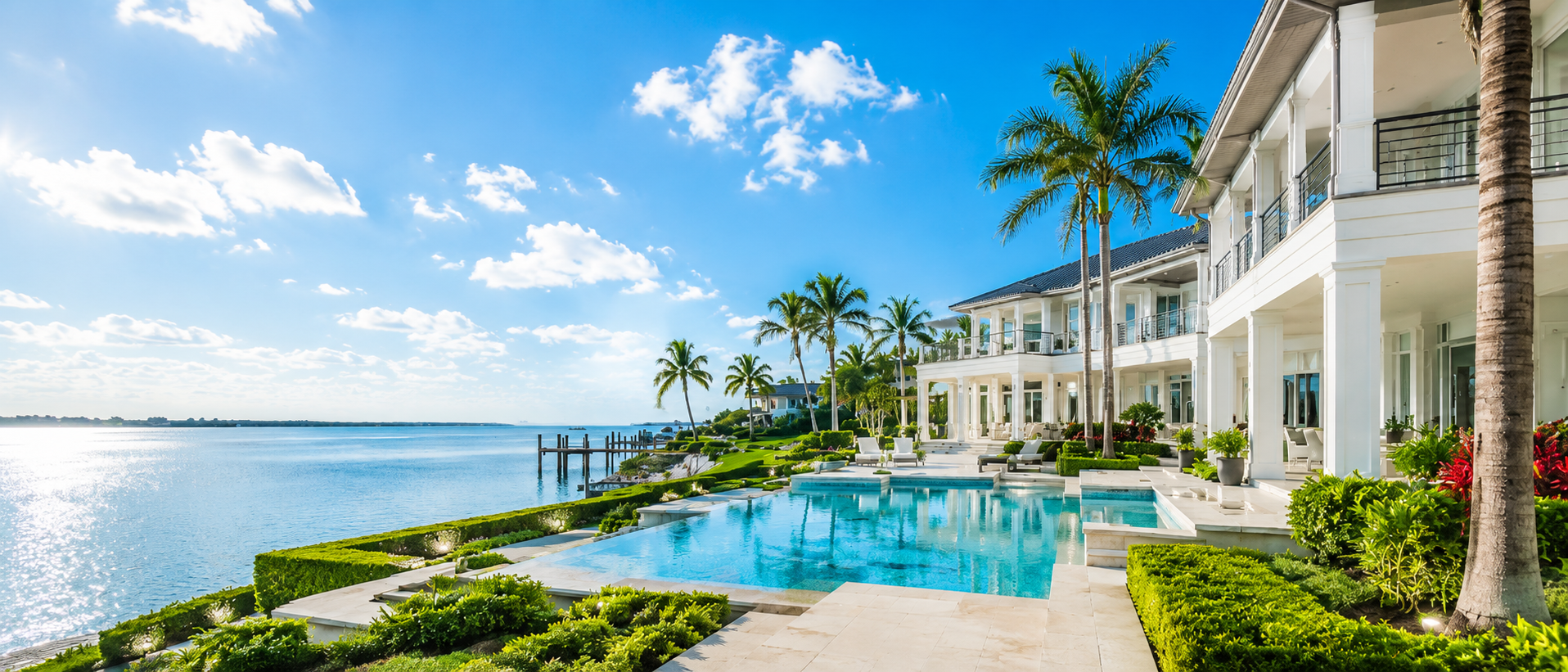
Buying or Selling on Sanibel: Living Next to a Refuge That Isn't Going Anywhere
Kris Asquith, Broker Associate at Premiere Plus Realty, has been licensed in Florida since March 2011 and ranks in the top 1% of agents in Lee and Collier Counties, in a market of more than 21,000 agents. Sanibel is larger and more varied than Captiva, with waterfront neighborhoods, golf communities and upland residential areas rather than one dominant type. What holds all of it together is the J.N. Ding Darling National Wildlife Refuge, which covers roughly a third of the island, limits development, and holds density down island-wide. That's not a feature of one neighborhood. It's why the whole island feels the way it does, and it isn't changing.
Building, lighting and vegetation rules here are stricter than most buyers expect, and they shape what you can actually do with a property after closing, not just what it looks like when you buy it.
What Actually Separates Sanibel Neighborhoods?
Waterfront on the Gulf or bay is priced on water access, the same as any island in this region. Golf communities are priced on the club and its amenities. Upland residential areas trade water access for mature, quieter streets and, often, more insulation from the refuge's development limits. None of these is a lesser Sanibel; they're genuinely different reasons to be on the island.
Proximity to the refuge itself is its own variable, distinct from waterfront or golf. It's the reason for the shelling beaches and the quiet the resort islands nearby don't have, and it's worth weighing on its own terms rather than folding into a general "island lifestyle" pitch.
Buying on Sanibel
Decide what you're actually buying before you tour: water access, club amenities, or the quieter, more conservation-minded character of the upland streets. Each is a real and different reason to choose Sanibel, and being honest about which one you want narrows the search fast.
Whatever you choose, ask early about the building, lighting and vegetation restrictions specific to that parcel. They're stricter here than most buyers expect coming from the mainland, and they determine what you can build, replace or landscape after closing, not just what the home looks like today.
Selling on Sanibel
A Sanibel buyer is usually choosing the neighborhood and its character before they choose your specific house, the same way a Naples buyer chooses a club before a floor plan. A waterfront listing needs to sell water access and view. A golf-community listing needs to sell the course and the membership. An upland listing needs to sell the quiet and the established character the refuge protects. Positioning the right one clearly is what gets your specific home seen by the buyer who actually wants it.
What the Housing Stock Looks Like
Sanibel mixes older character properties with newer high-end construction, mostly from custom and specialty builders rather than production builders, so two homes at the same price point can differ a great deal in age and system condition. Water-lifestyle activity is central to daily life island-wide, and commercial development stays limited by design, which is consistent with the refuge's influence rather than separate from it.
Access is by the causeway only, and that, combined with the refuge, is most of why Sanibel reads as calmer than the resort islands nearby even though it's larger than Captiva.
The Sanibel waterfront homes page and the Sanibel golf communities page cover those two paths in more depth. The home buying process covers what actually gets checked once you're under contract, and getting in touch gets you a read on a specific parcel rather than the island in general.